Septic, OWTS & ORCA
We handle septic and OWTS work from the first evaluation to the finished system: OWTS evaluations, septic inspections and certifications, feasibility studies with test drilling and percolation testing, septic tank replacements, seepage pit drilling and additions, and new system construction. Our own crew and vacuum truck pump, repair and maintain systems across LA County, and we install and service ORCA Pod treatment. Selling a home? For septic certifications we can usually be on site within 24 hours, based on crew availability.
Who it's for
Homeowners on septic, the buyers, sellers and agents working against an escrow deadline, and the builders and designers planning work on a septic lot.
- Buyers and sellers who need a septic inspection or certification for a sale or refinance
- Owners adding a bedroom, ADU, pool or addition who need an OWTS evaluation or a feasibility study before permits
- Owners whose seepage pit has stopped draining, or whose tank needs to be replaced
- Fire rebuilds in Altadena and Malibu that need a cesspool abandoned, a new tank set or a new system built
- Builders and designers who want the septic scope planned and built by one contractor while they run the rest of the job
How the work goes
- We open the system. A certification needs access to both tank compartments, the distribution box and every seepage pit or leach line. Running a camera or pumping the tank is not the same thing.
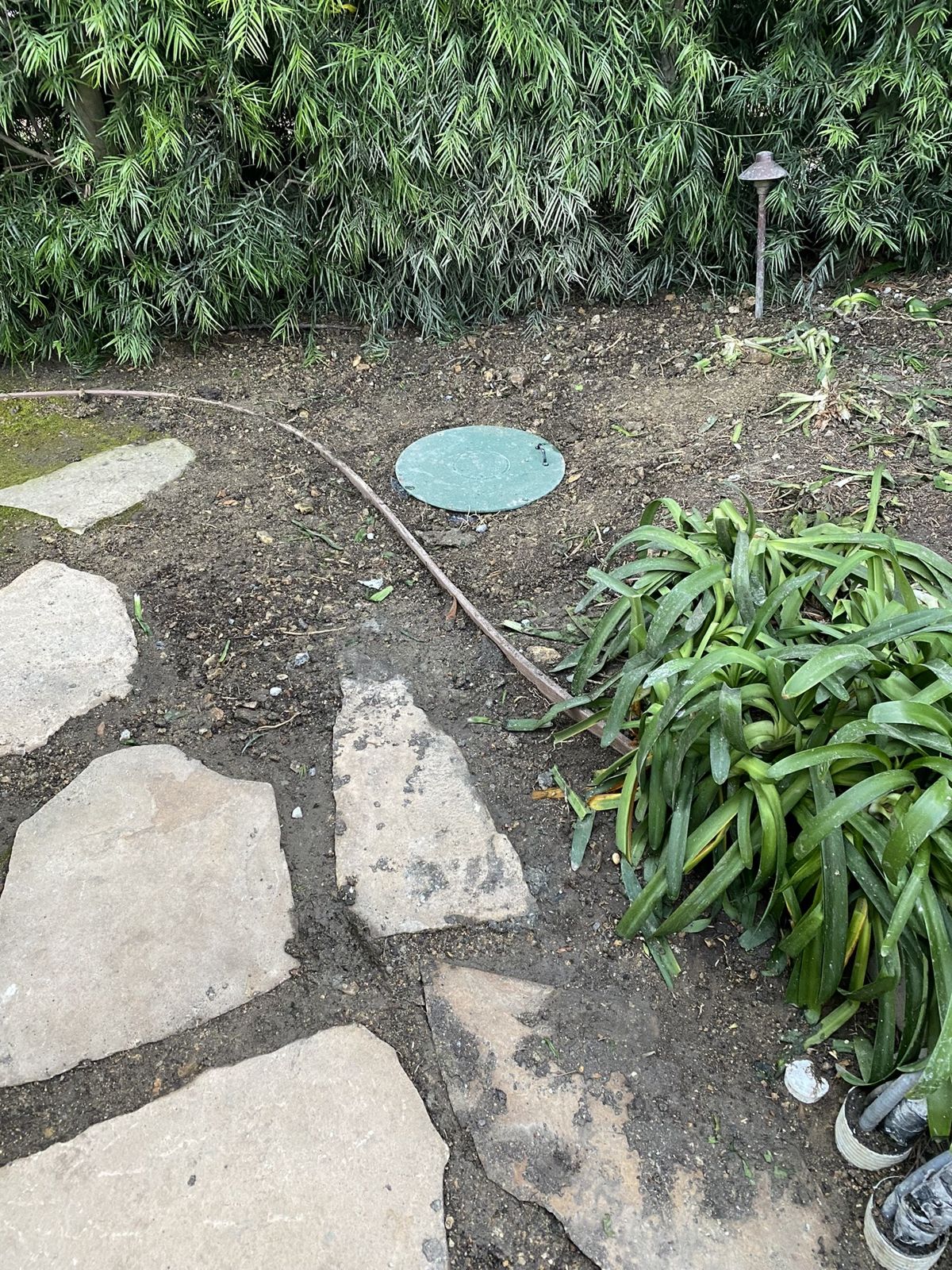
- If the lids are buried, a locating crew exposes them on time and material, usually in a day or less. You pay only for the time used.
- You get it in writing. A system that passes gets a certification letter. One that can't be certified gets an inspection report with the options.
- Repairs come as a lump-sum proposal that lists what is included and what is not. Most repairs take one to three working days, and you can usually stay in the house.
- Once repairs are done, the certification is re-issued as part of the original fee.
What drives the cost
The inspection itself depends mostly on how many tanks, pits and leach lines the system has, and how easy they are to reach.
- Buried lids, long hose runs and hillside access add time
- Repairs depend on what the inspection finds, which is why we don't price a repair before we inspect
- Permit and County fees are paid by the owner directly to the agency
- Travel distance and the current fuel surcharge
What we do differently
City of Malibu Registered OWTS Inspector; own vacuum truck, drill rig and hydrovac; ORCA, our in-house restoration system; family-run since 1978.
Why owners, agents and builders call us
- City of Malibu Registered OWTS Inspector, on the City's list of registered inspectors
- CA Lic. #525452 · Class A + B + Haz: Class A General Engineering, Class B General Building and HAZ
- Family-run since 1978, from our office and yard at 5180 Alhambra Ave., Los Angeles
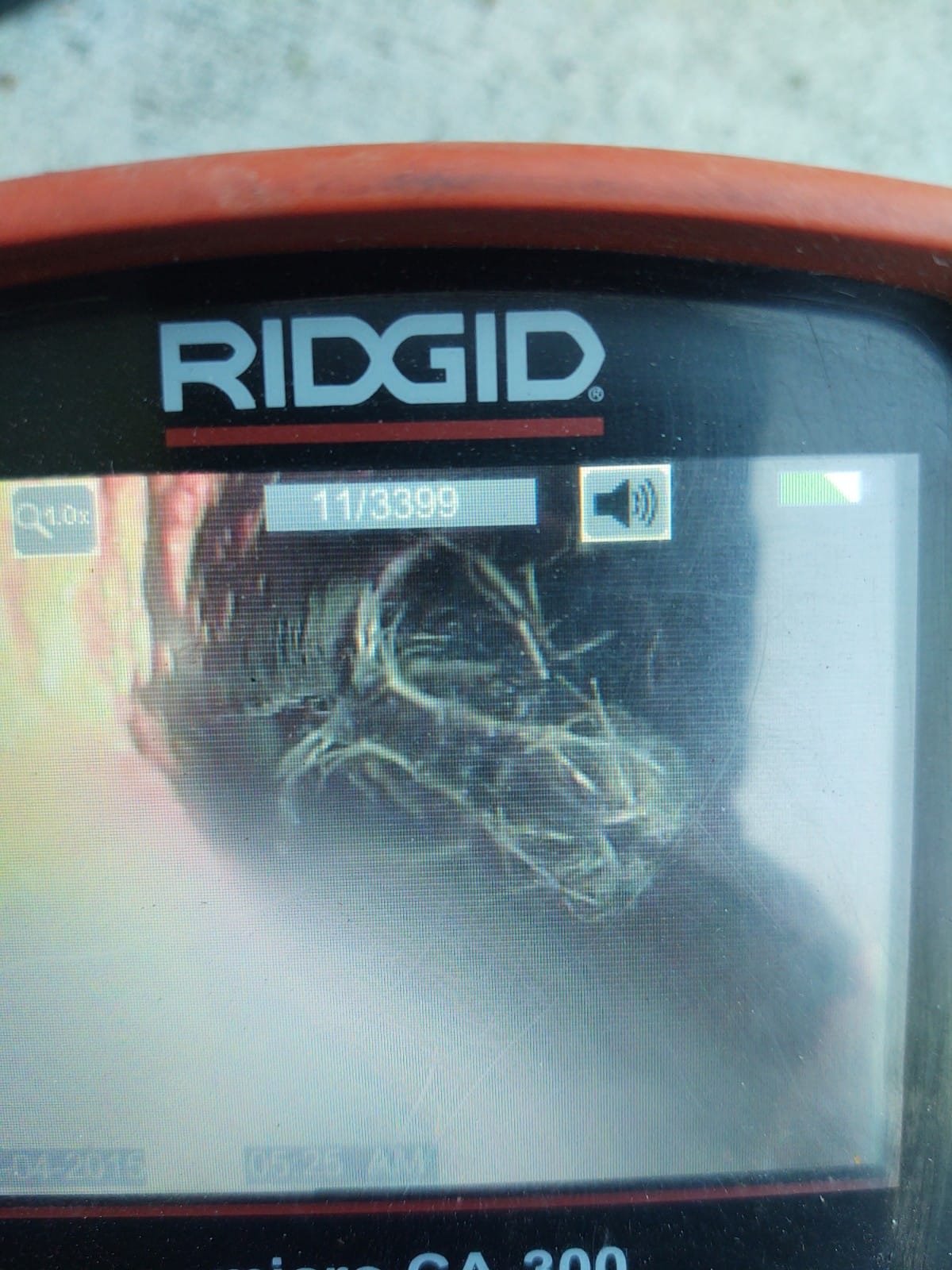
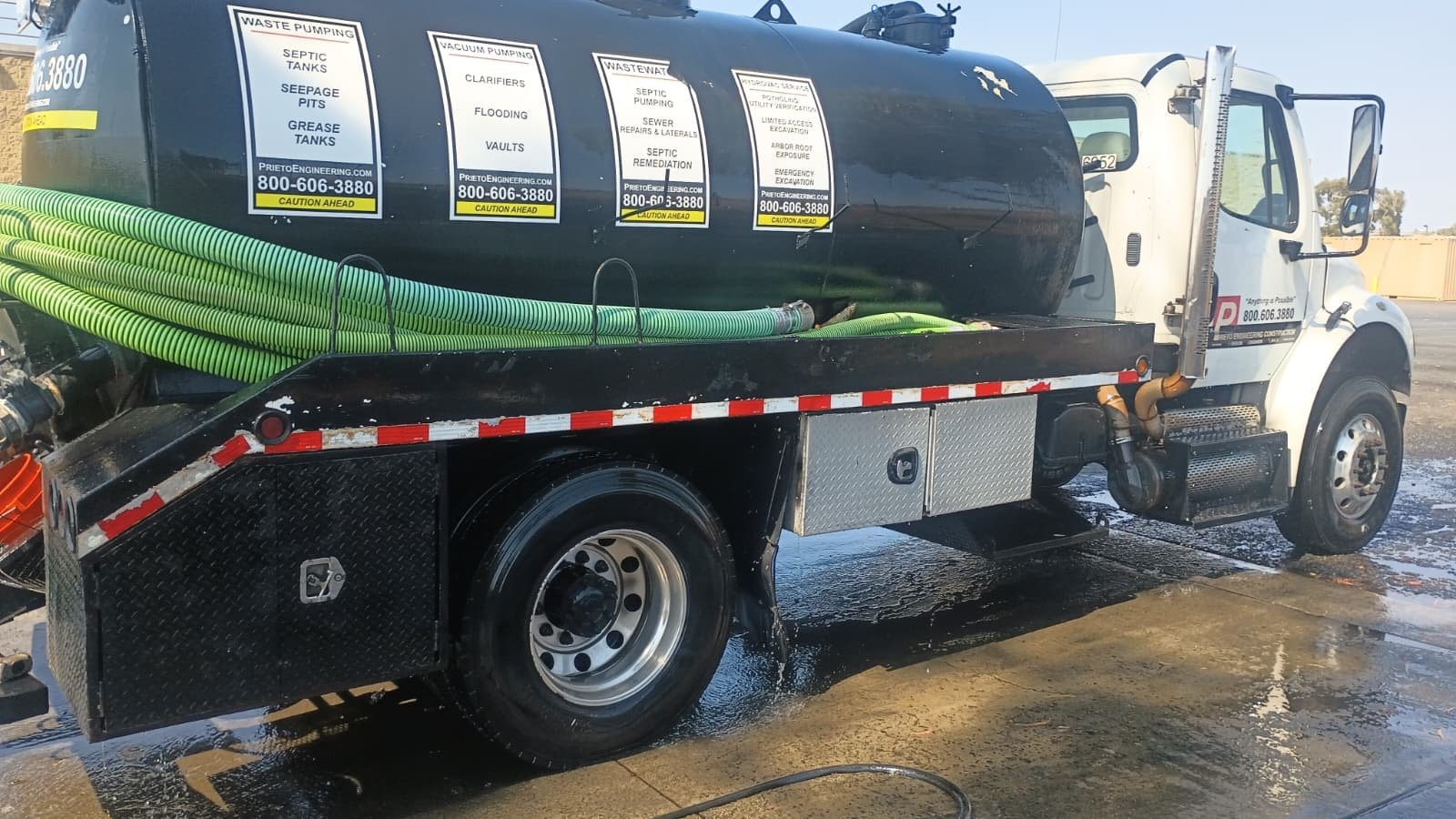
- Our own equipment: septic pumping truck, drill rig, hydrovac, camera and locator
- ORCA, our in-house restoration system, for tanks and seepage pits others would replace
- On site within 24 hours, usually, for septic certifications, based on crew availability
From the first evaluation to the finished system
Most septic projects start with a question: will the system pass, will it support an addition, or what will it take to fix it? We answer that on site, with our own crew and equipment, and then we build what the site needs. Because the same contractor evaluates, recommends and builds, nothing gets lost between the report and the work.
What we do
- OWTS evaluations. A full evaluation of the existing onsite wastewater treatment system: the tank, the distribution box, and the seepage pits or leach lines, measured and tested. For an addition, we confirm the system's volume and test the existing dispersal field so you know whether it will support the new bedrooms.
- Septic inspections and certifications. A general inspection with written findings, or a full septic certification for a sale, with a comprehensive report and plain-English recommendations. A system that passes gets a certification letter.
- Feasibility studies. Test drilling and percolation testing to show what a site can support, including the Future Expansion Area the City or County needs on record before it permits a bedroom addition or a pool. Where a lot has room for leach lines, we test with excavator test holes instead of a drill rig, which is simpler and costs less.
- Site planning to construction. We look at the whole site, your plans and the existing system, and recommend the layout that keeps as much of the existing system as possible, saving the cost of relocating it. We work with your OWTS designer or engineer, then build the approved system.
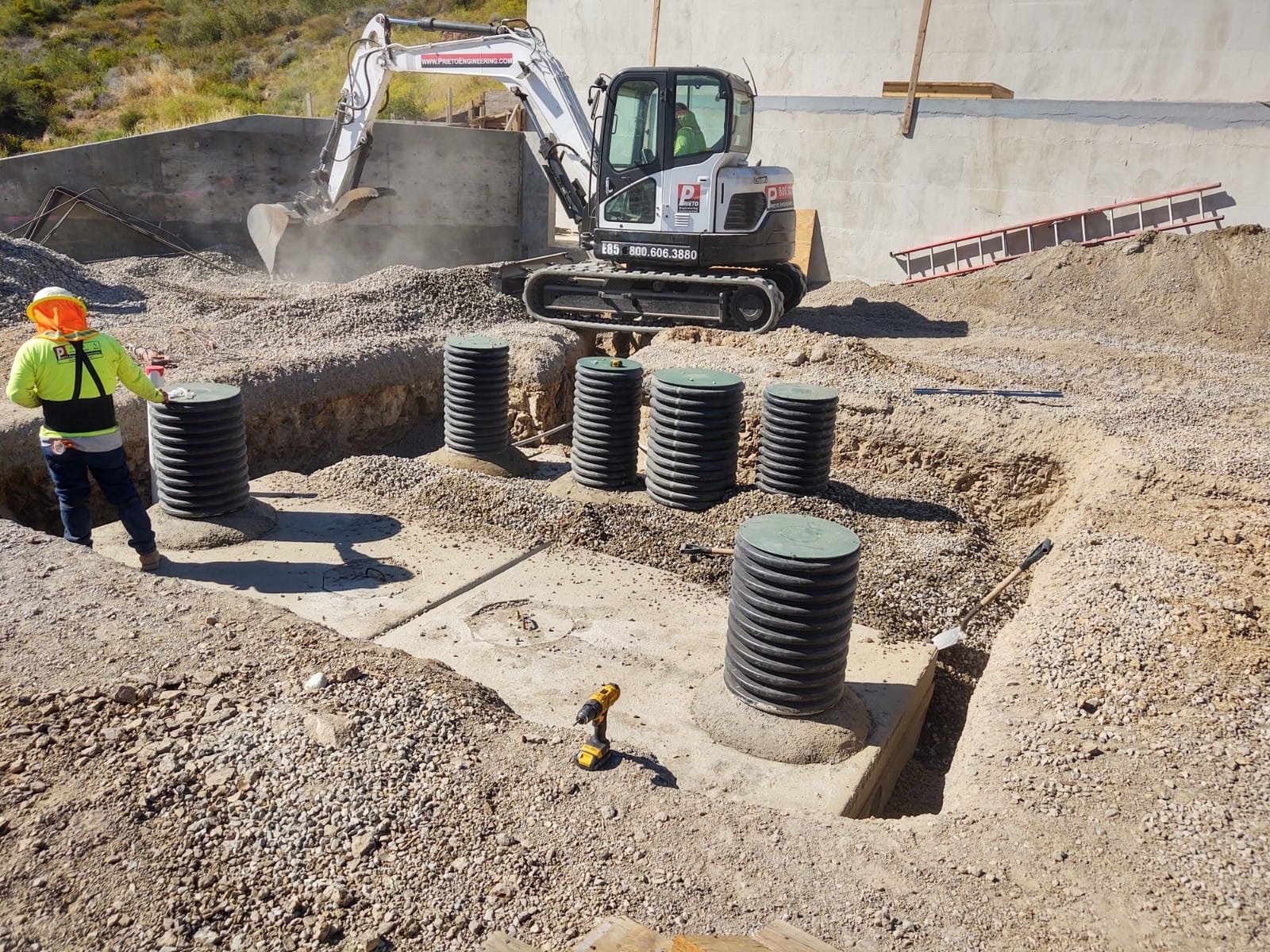
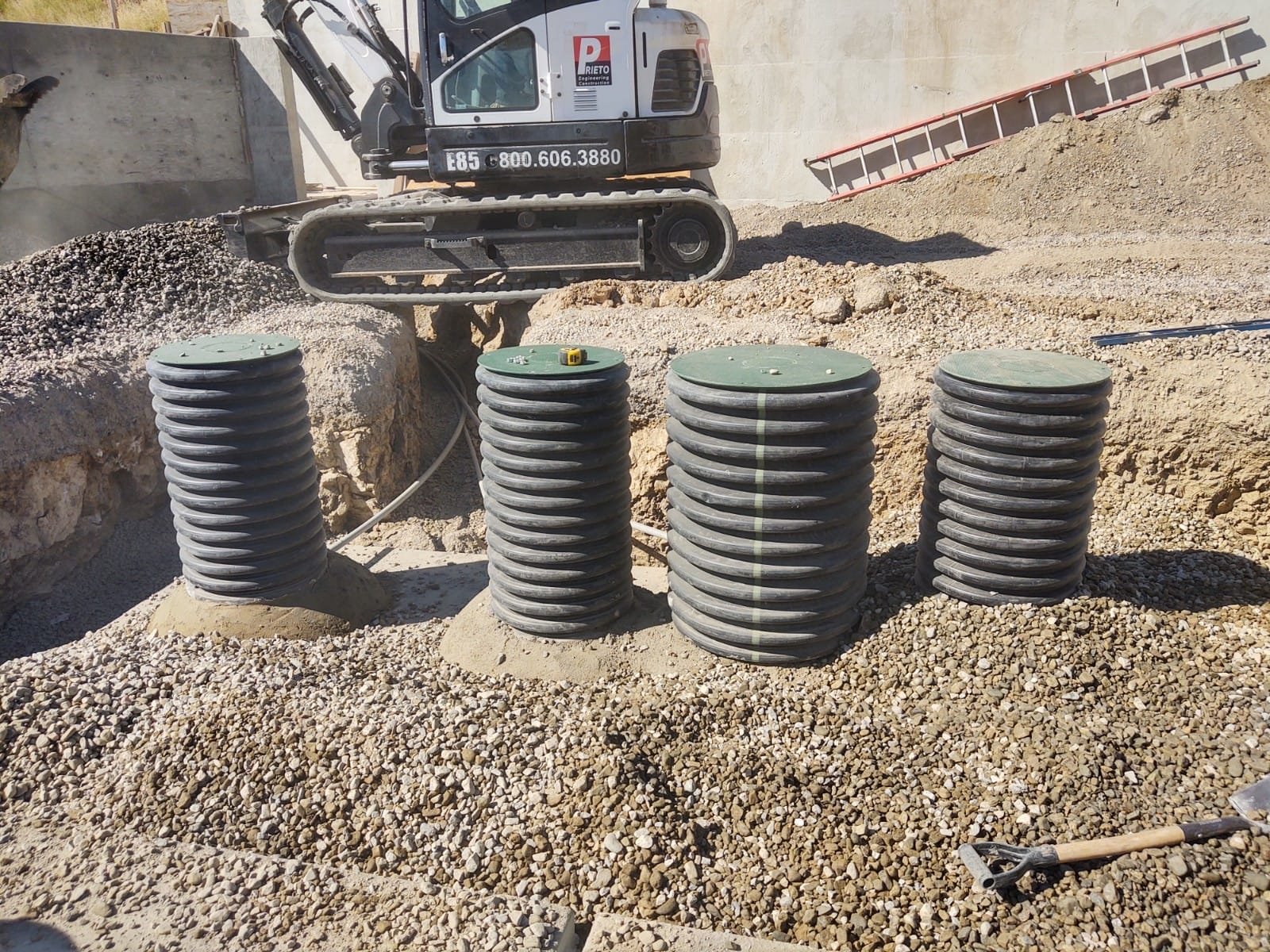
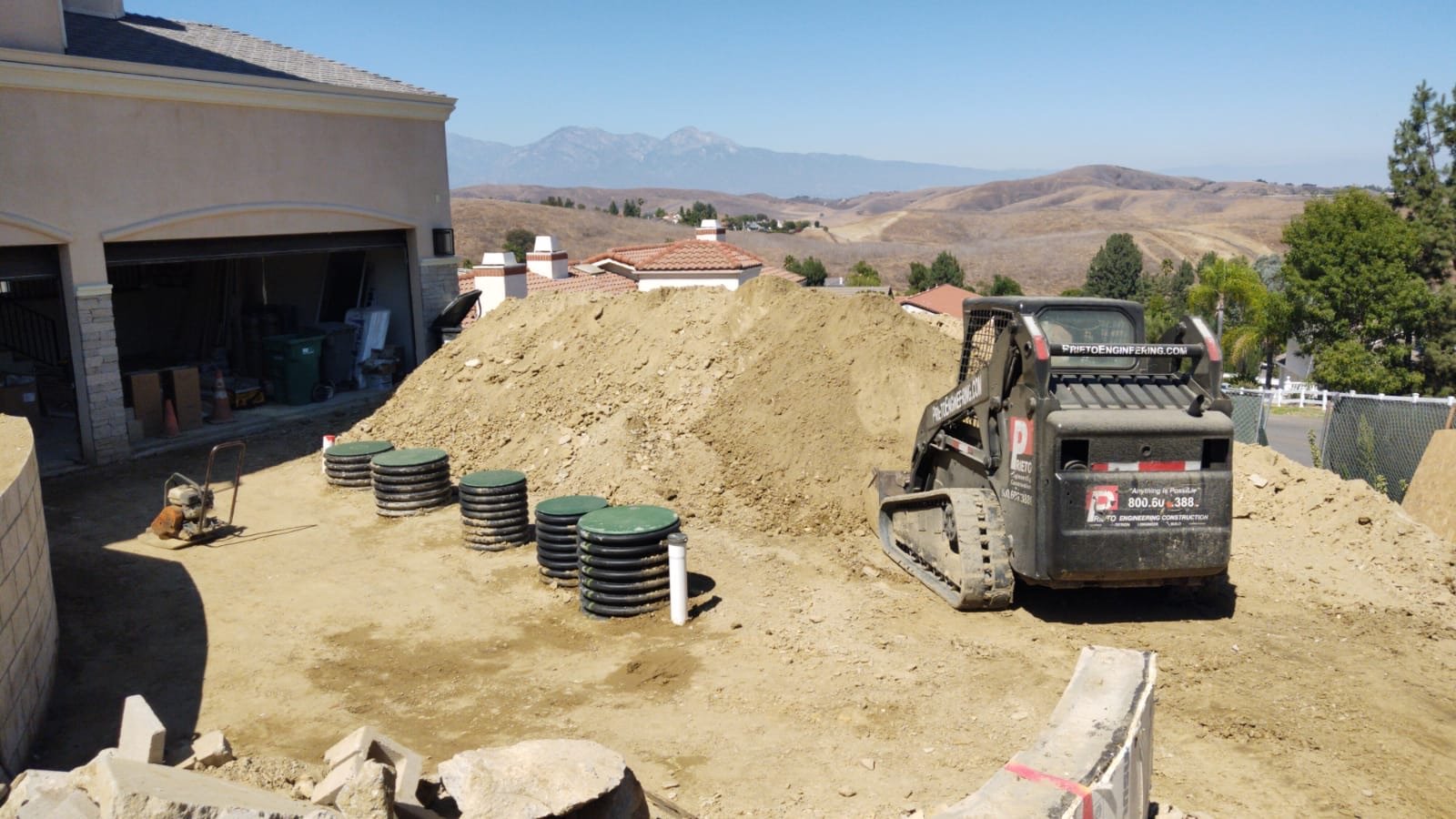
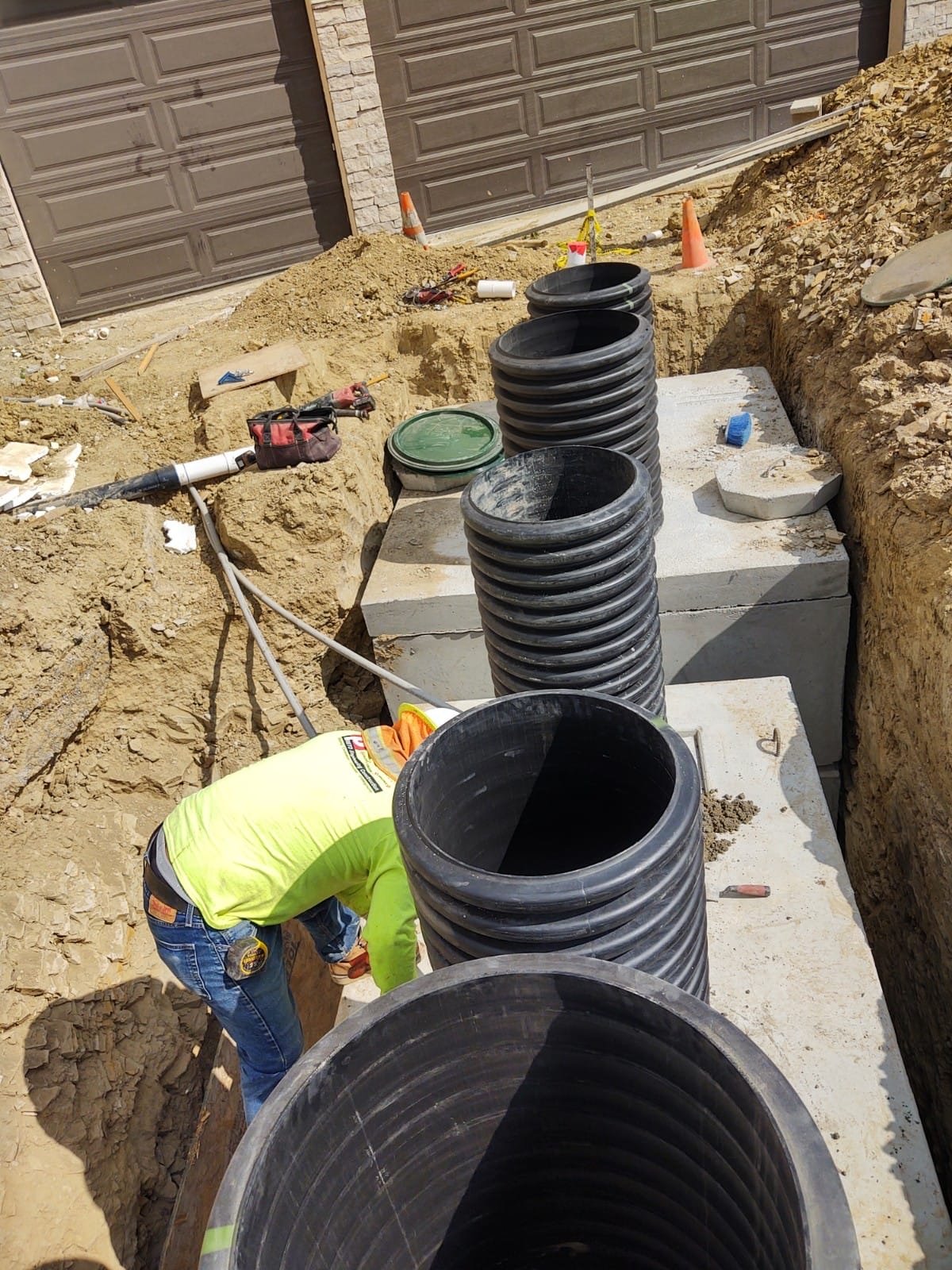
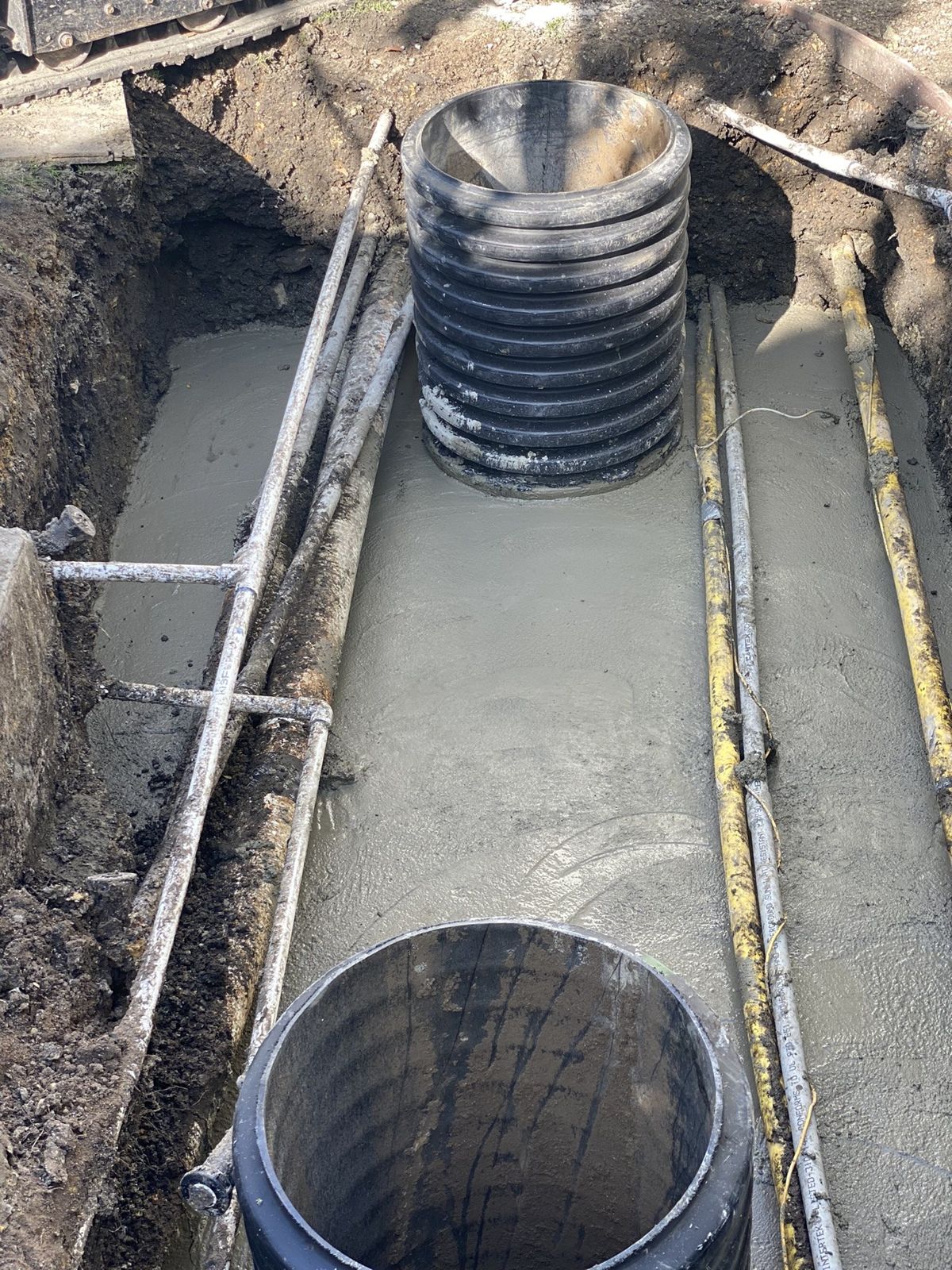
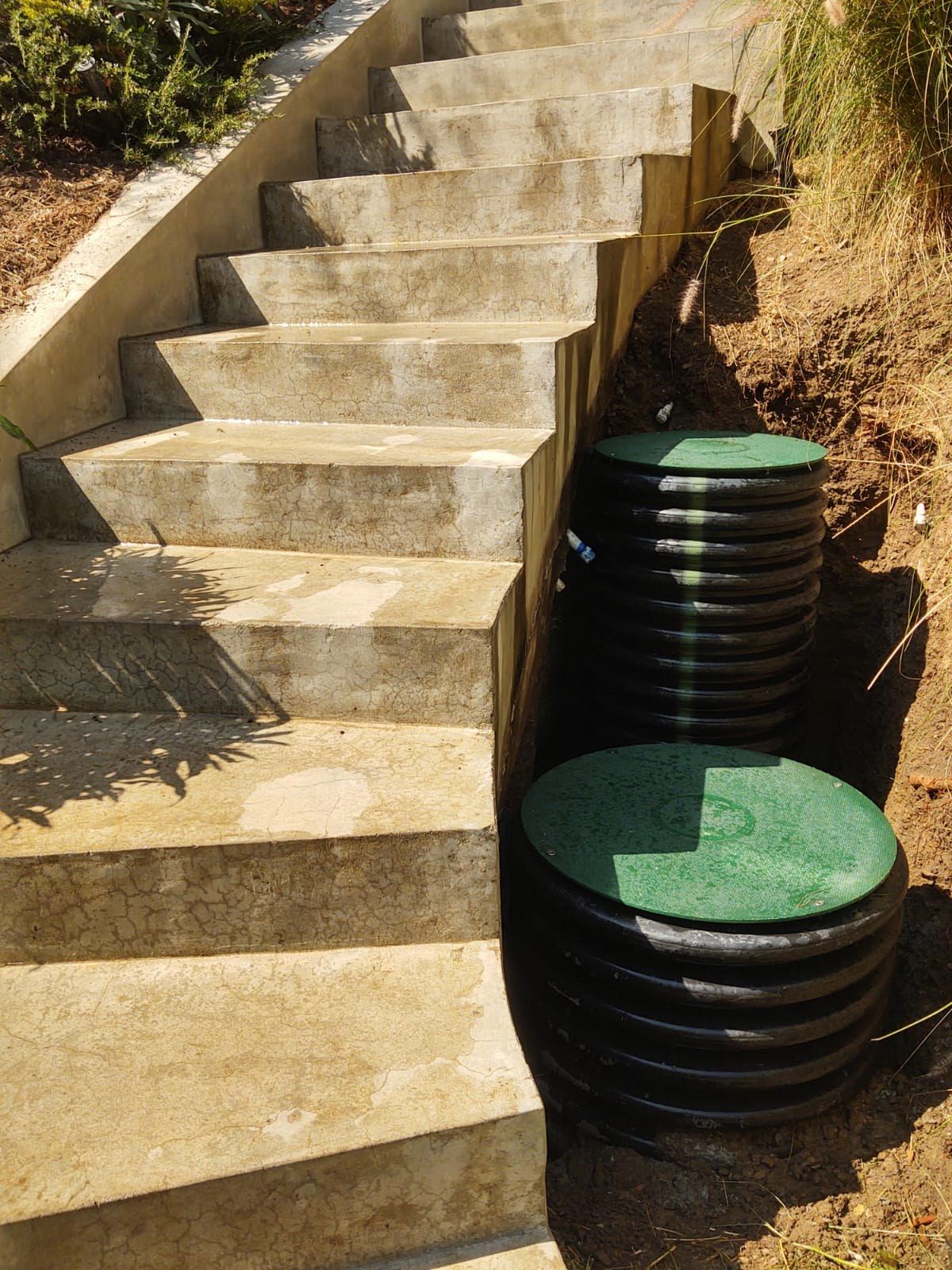
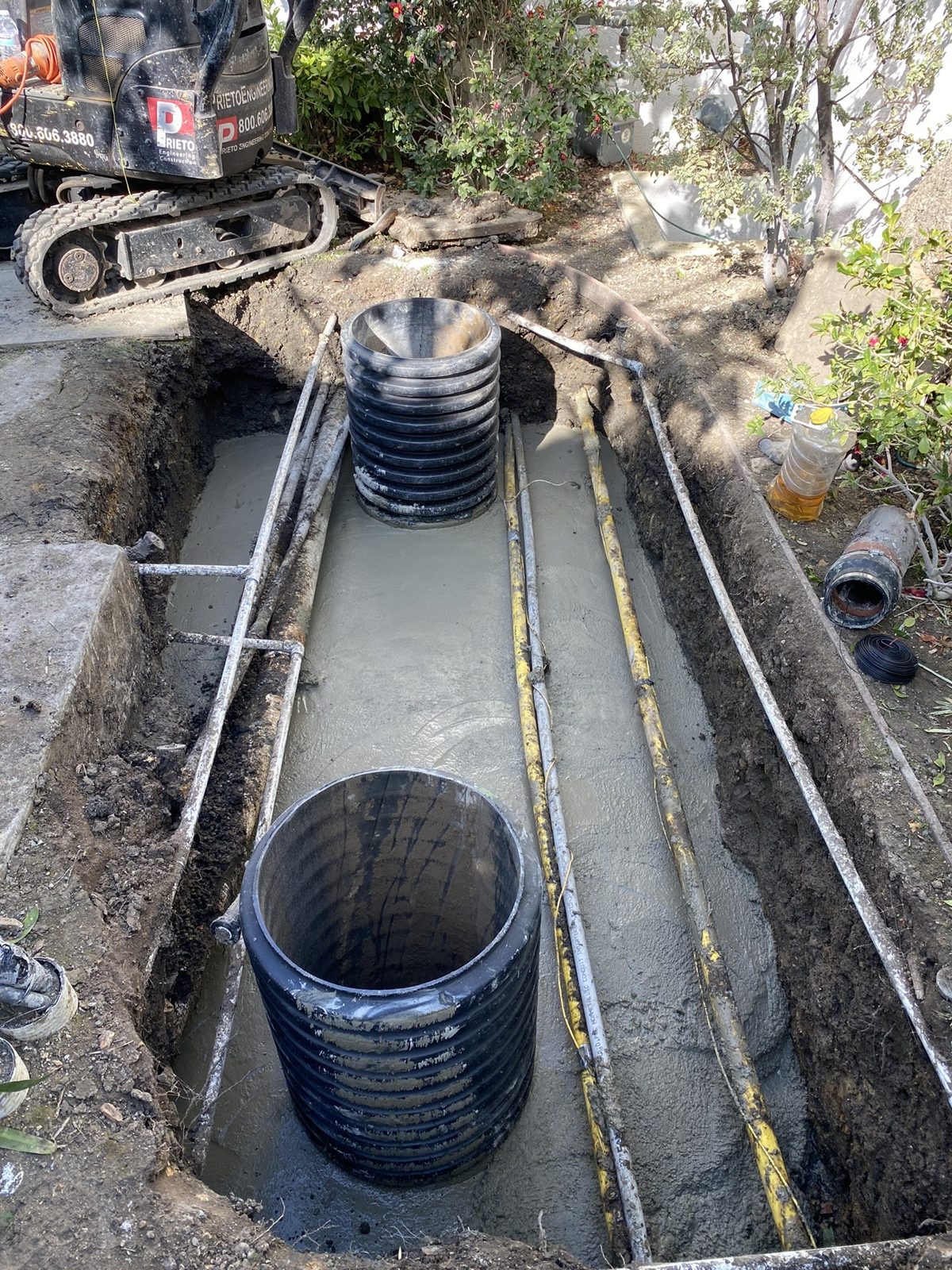
- New septic and OWTS systems. Tanks, risers, distribution boxes, seepage pits, leach lines and advanced treatment systems, built to the approved plans and inspected before cover.
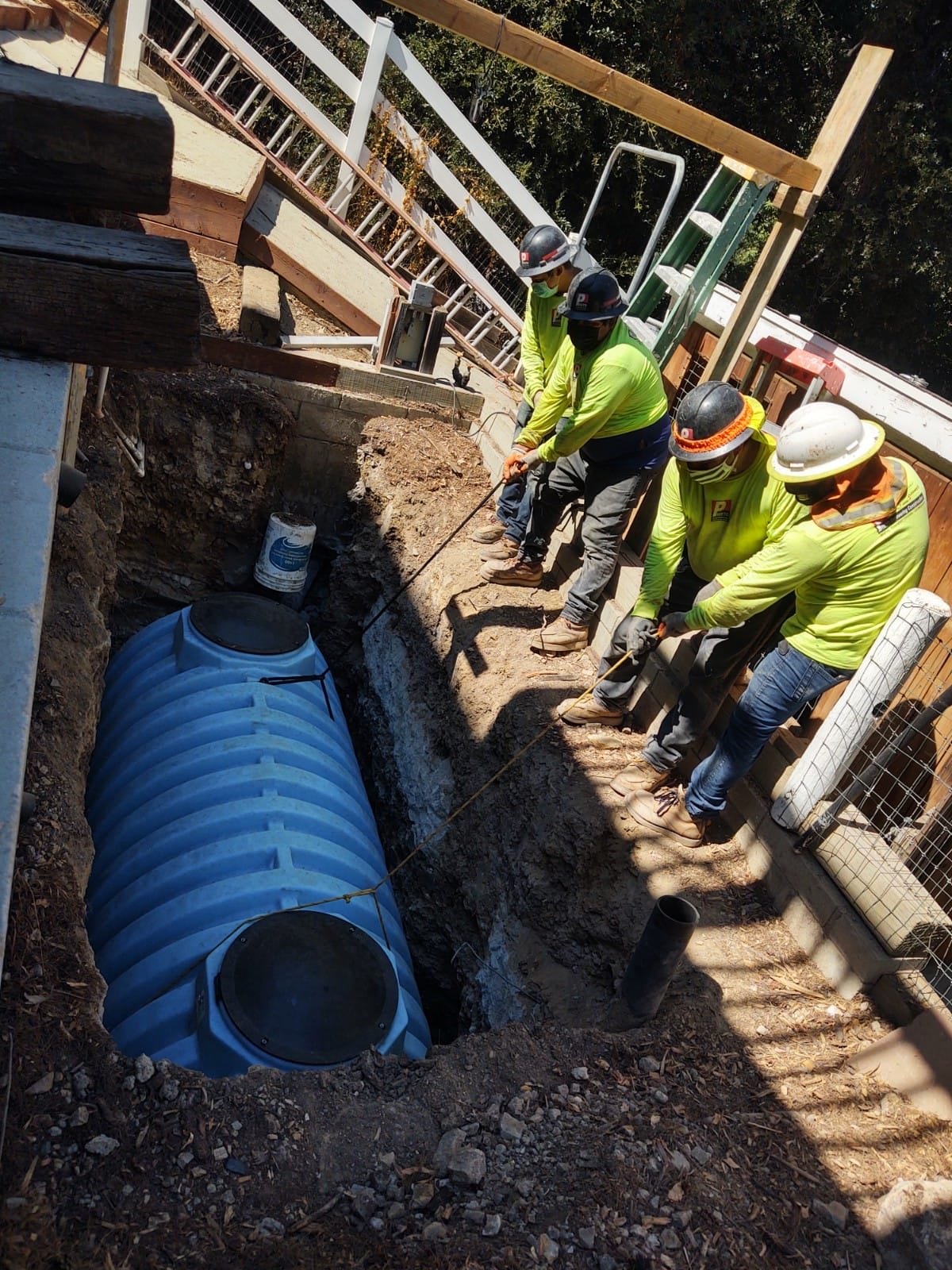
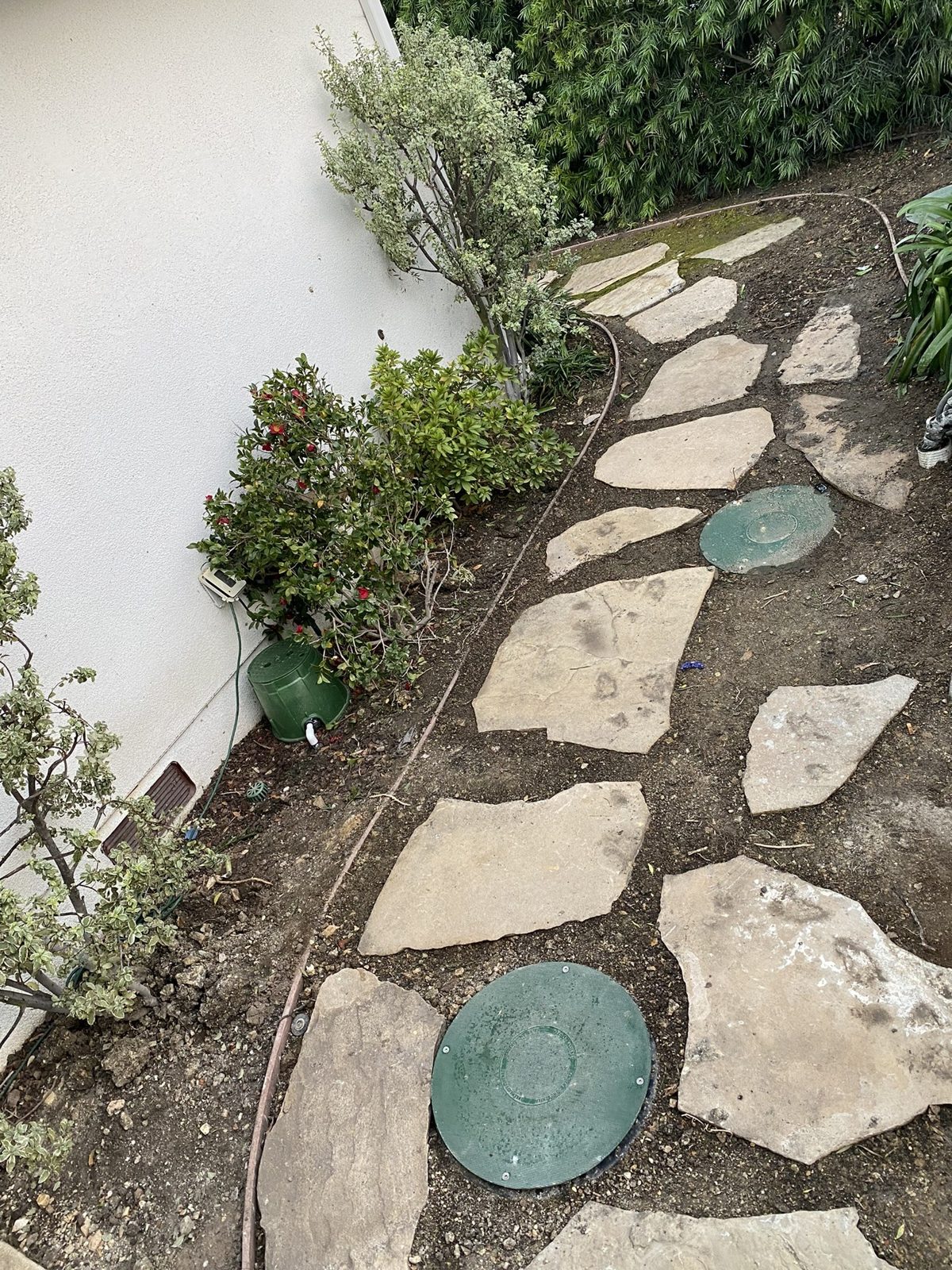
- Septic tank replacements. Old or failed tanks removed or abandoned and new tanks set, with risers to grade for future service.
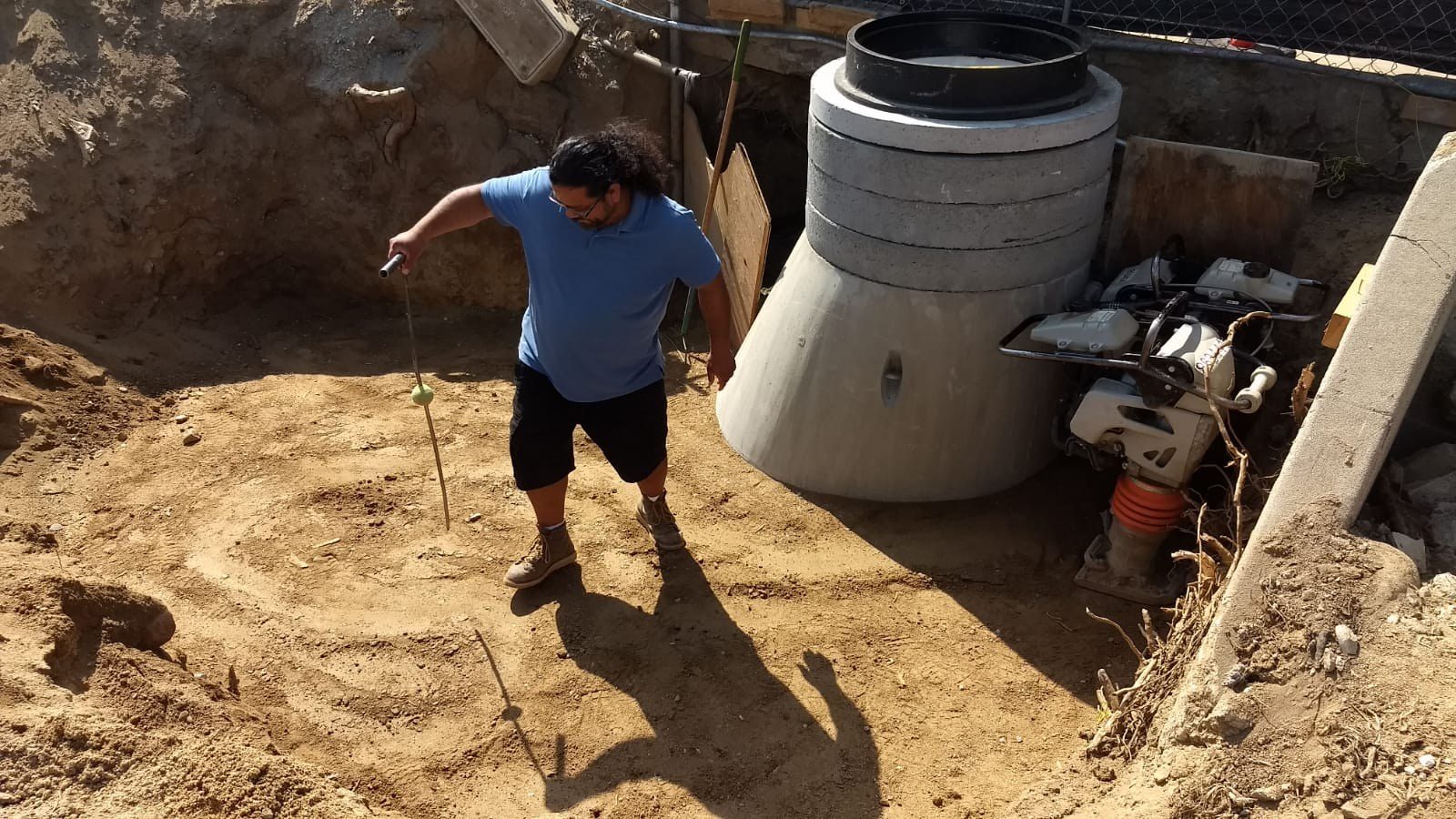
- Seepage pit drilling and additions. New seepage pits drilled, and pits added to an existing system when it needs more capacity.
- Restoration with ORCA. Many systems we inspect can be restored instead of replaced. ORCA Pods and automatic dosing bring failing tanks and seepage pits back, and we measure the recovery. See ORCA septic restoration.
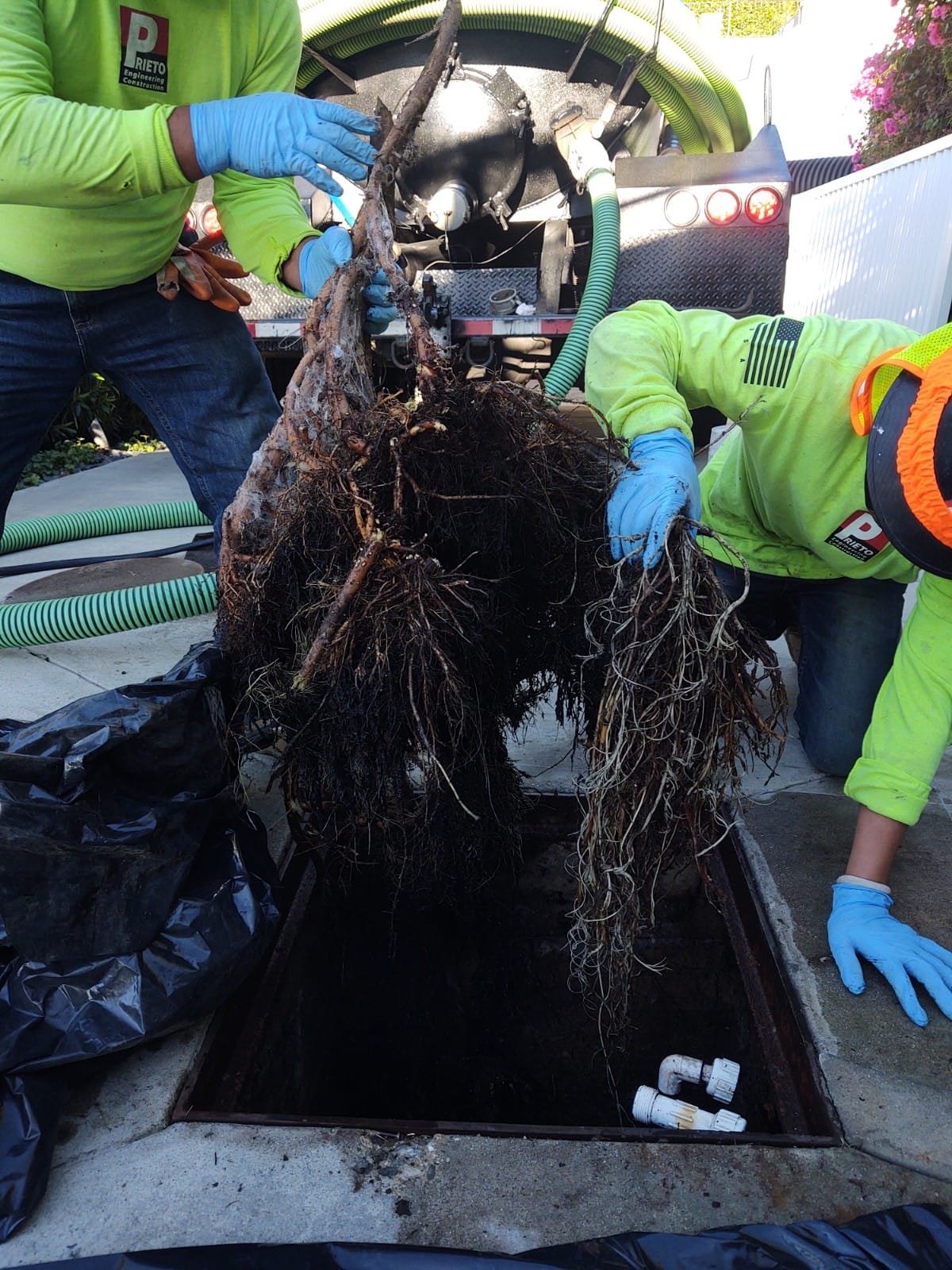
- Repairs. Root removal, line jetting, baffles, distribution boxes, new risers and lids.
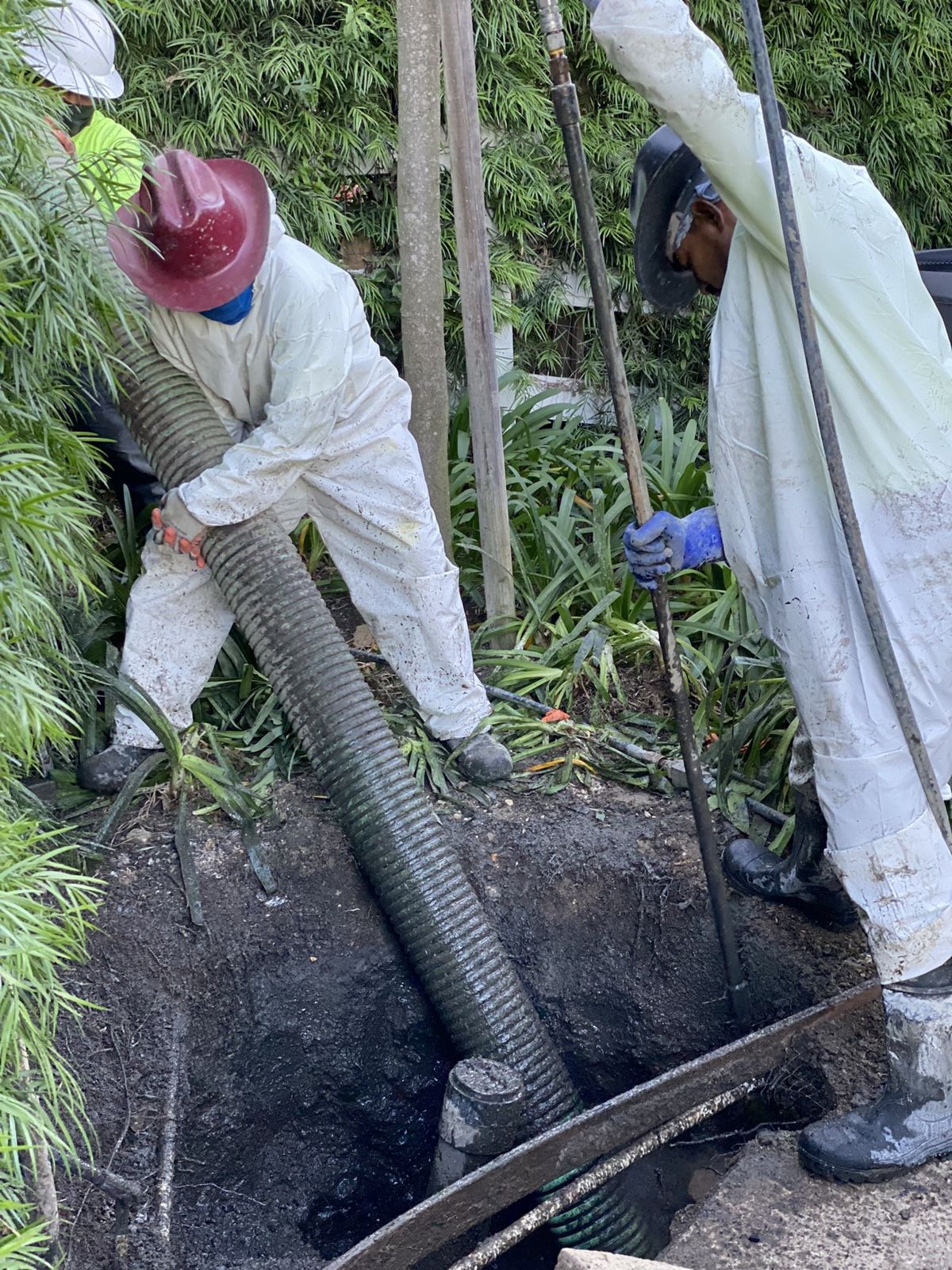
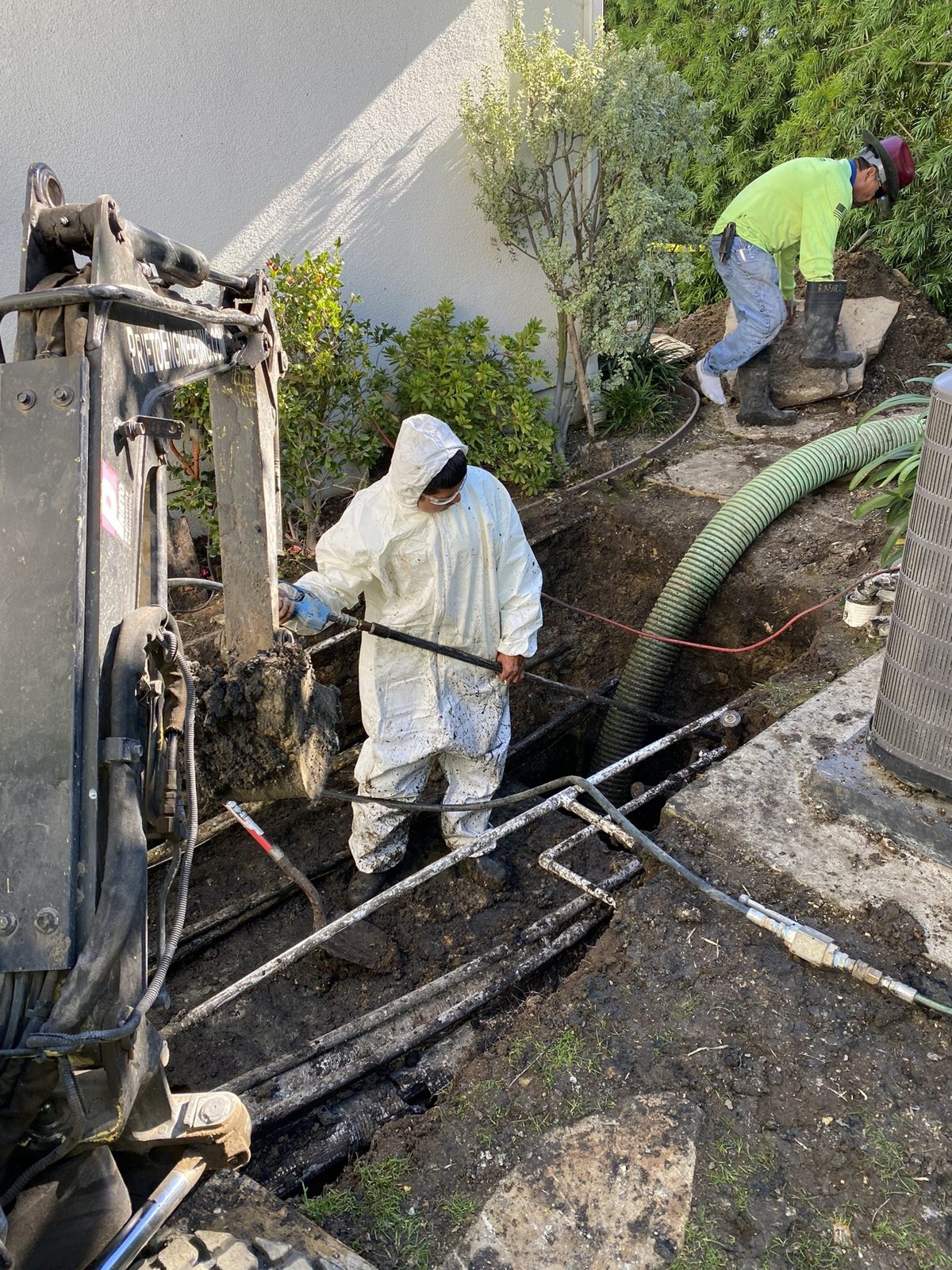
- Septic pumping and maintenance. Our own septic pumping truck pumps tanks and pits, and pumping is the right time to check the whole system.
Planning a project on a septic lot?
Bring us your plans early, even a sketch. Knowing what you intend to build lets us plan the evaluation and testing around it, and recommend a layout that avoids moving the system when it doesn't need to move. That is usually where the biggest savings are.
Who does what
We perform the evaluations, testing, inspections and construction. Stamped OWTS designs are prepared by a licensed designer or engineer, and the City or County reviews and approves them. Permit and agency fees are paid by the owner directly to the agency. In the City of Malibu, the City runs its own OWTS program, and we follow its forms and process.
Common questions
How much is a septic inspection?
It depends mostly on how much of the system we can reach from the surface on day one. The level of service, how many seepage pits need a hydraulic test, County paperwork, locating and digging to buried lids, patch-back, and the documents you need all move the price.
Who pays the permit and agency fees?
The owner pays permit and agency fees directly to the agency. We don't include them in our price, because the amounts aren't known until the agency invoices them. On street work we pull the permit under our license, and the fee notices come straight to you.
Can my septic system support an ADU or an addition?
That takes a County OWTS evaluation, which goes further than a basic septic inspection. The County looks at whether the system can carry the added use and may ask for a future expansion area. Start the evaluation before you commit to the ADU design, so the septic answer shapes the plans.
What does a septic certification inspection include?
A certification means opening the whole system: both tank compartments, the distribution box and every seepage pit or leach line. Running a camera or pumping the tank is not a certification. If the lids are buried, our crew locates and exposes them on time and material, and you pay only for the time used.
From the field

Ready to talk about your project?
Send us the details and we will follow up with next steps, or call us directly.