
Concrete
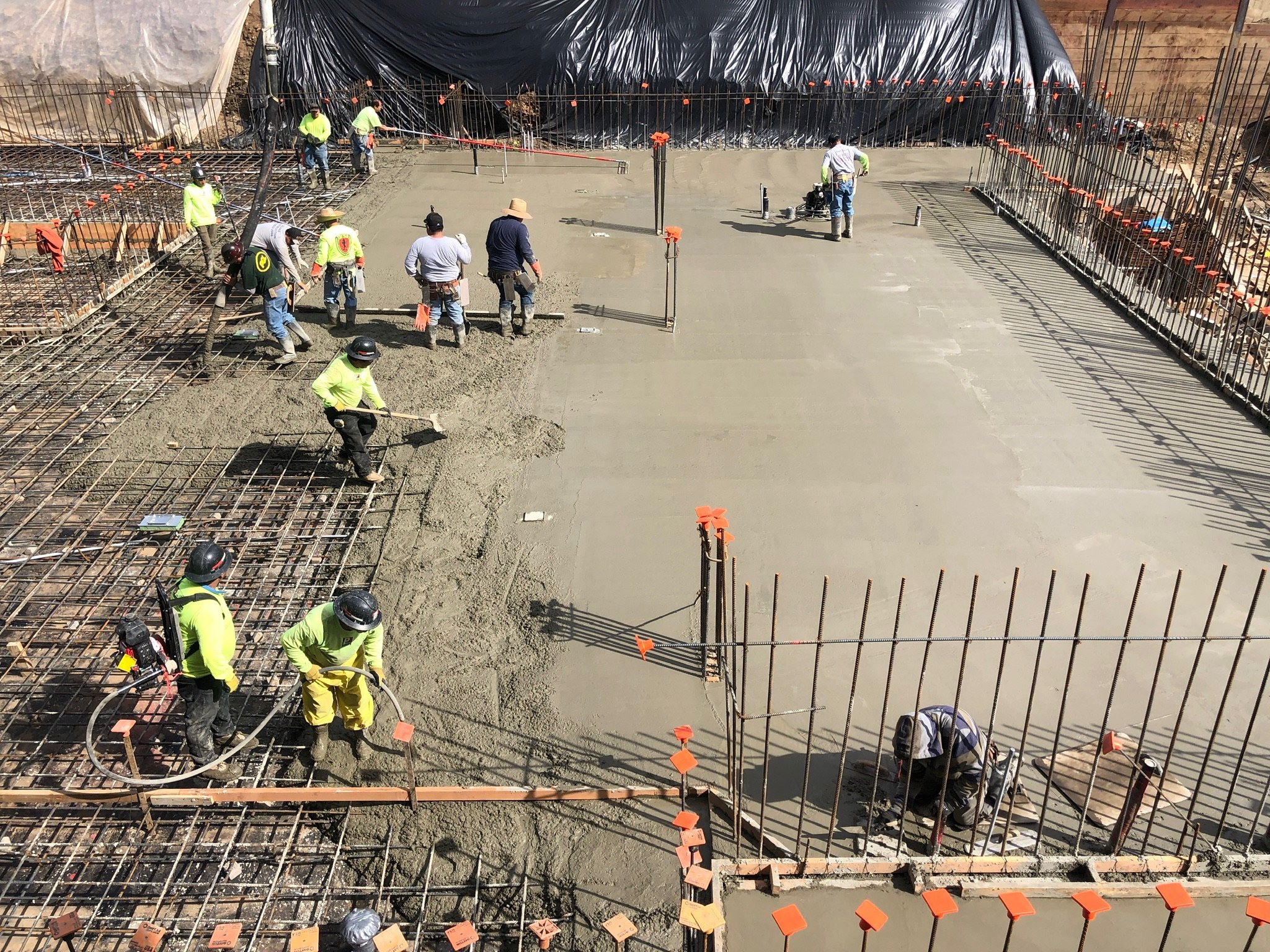
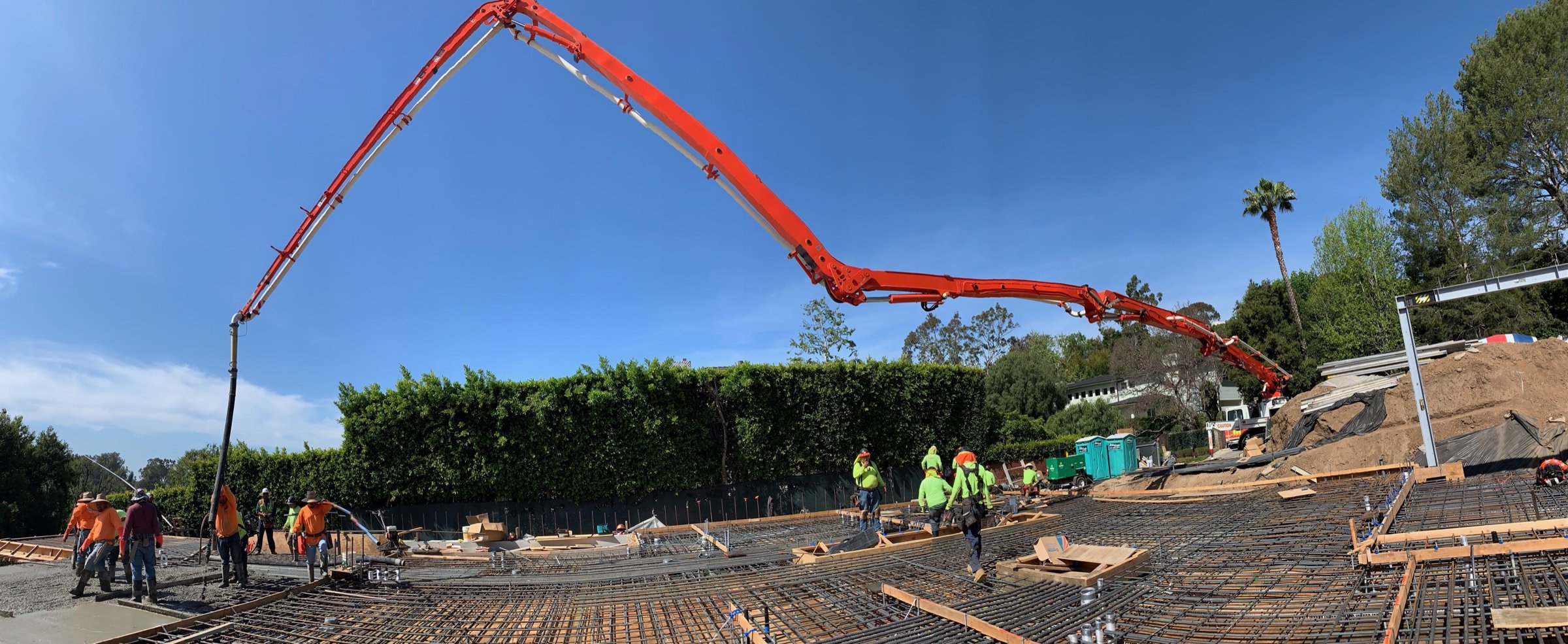
Our own crews form, place and finish concrete across Los Angeles: foundations, slabs, walls, driveways, sidewalks and decorative work. Each trade is priced as one lump sum that covers labor, materials, the pump, forms, rebar, saw-cut joints, finishing and curing. We self-perform, so your schedule doesn't wait on another sub.
Who it's for
- General contractors who need foundations and flatwork on commercial or residential jobs
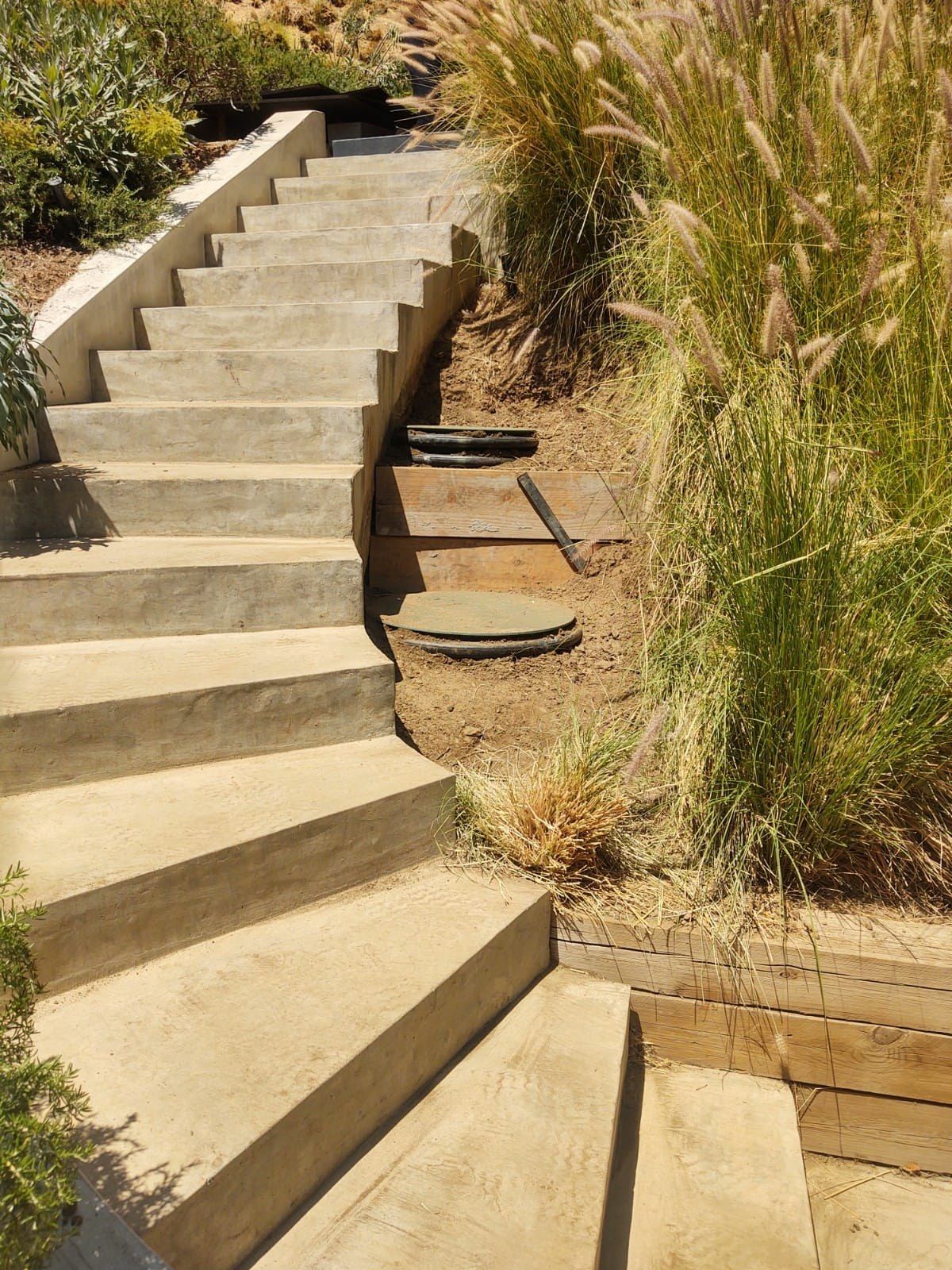
- Homeowners replacing a driveway, patio, steps or walkway
- Owners who want a decorative finish such as Top-Cast, integral color or exposed aggregate
How the work goes
- We walk the site or review the plans and price the work as a lump sum.
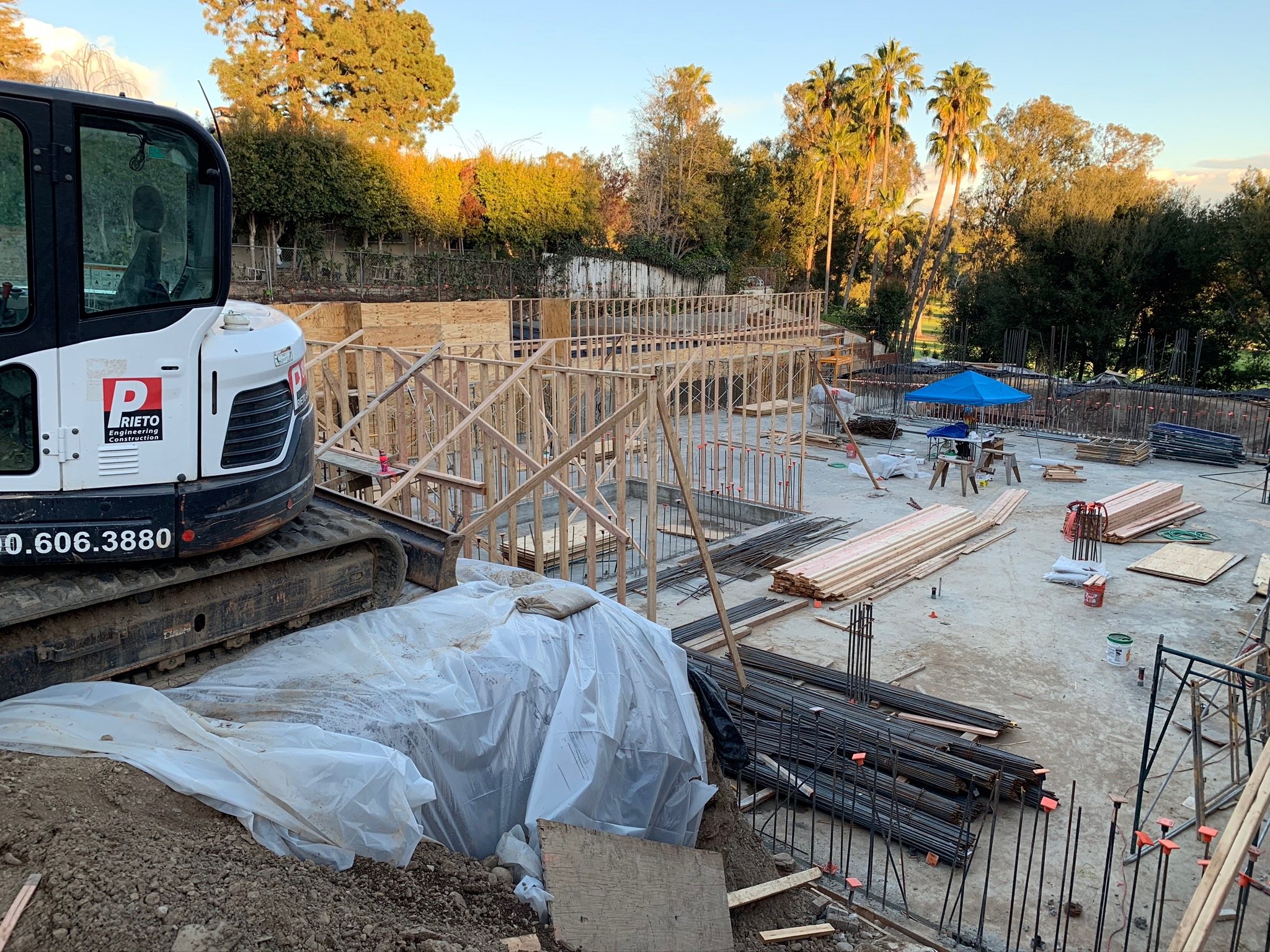
- Removal of old concrete is priced together with the new work, then the base and forms go in.
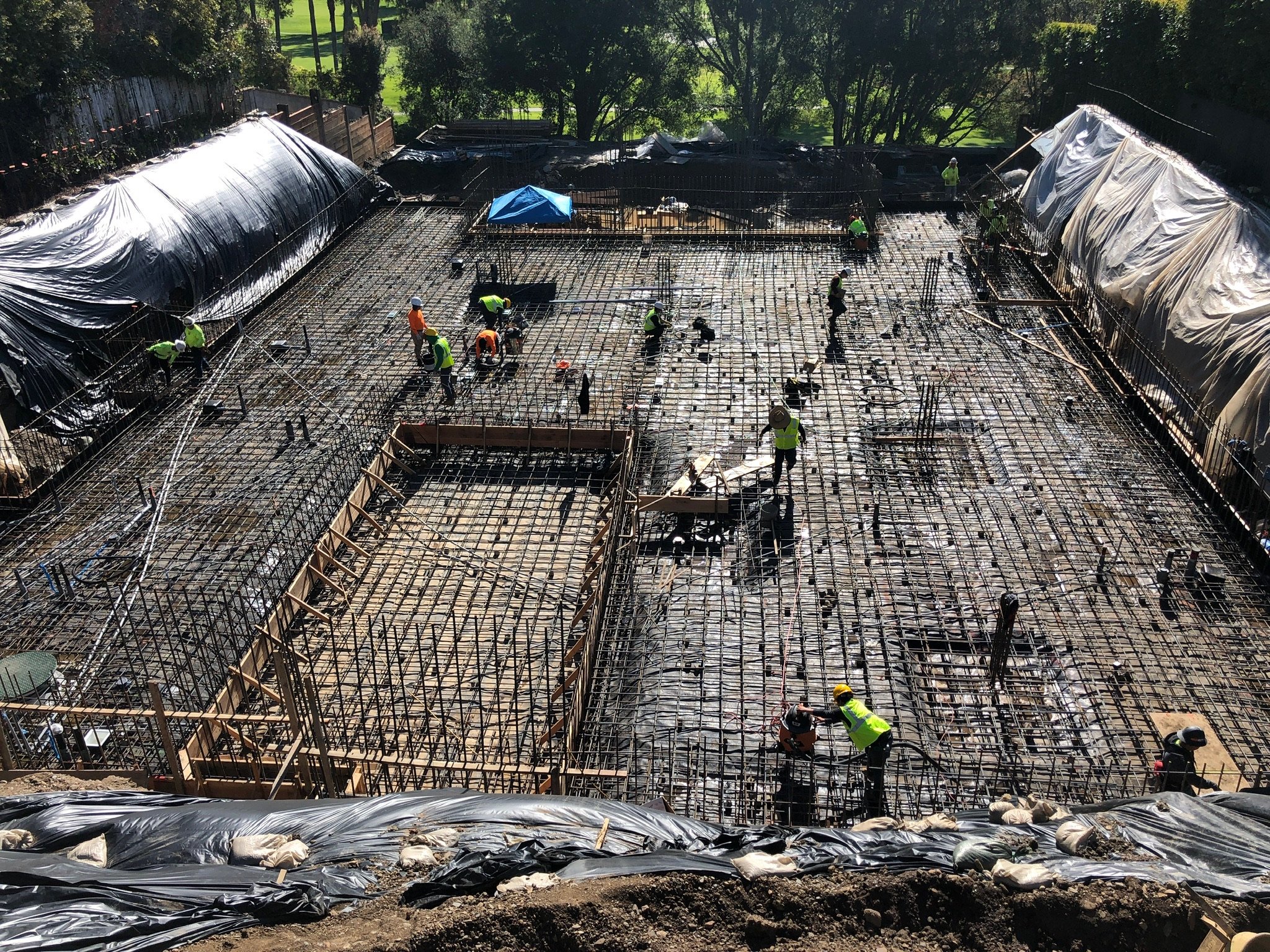
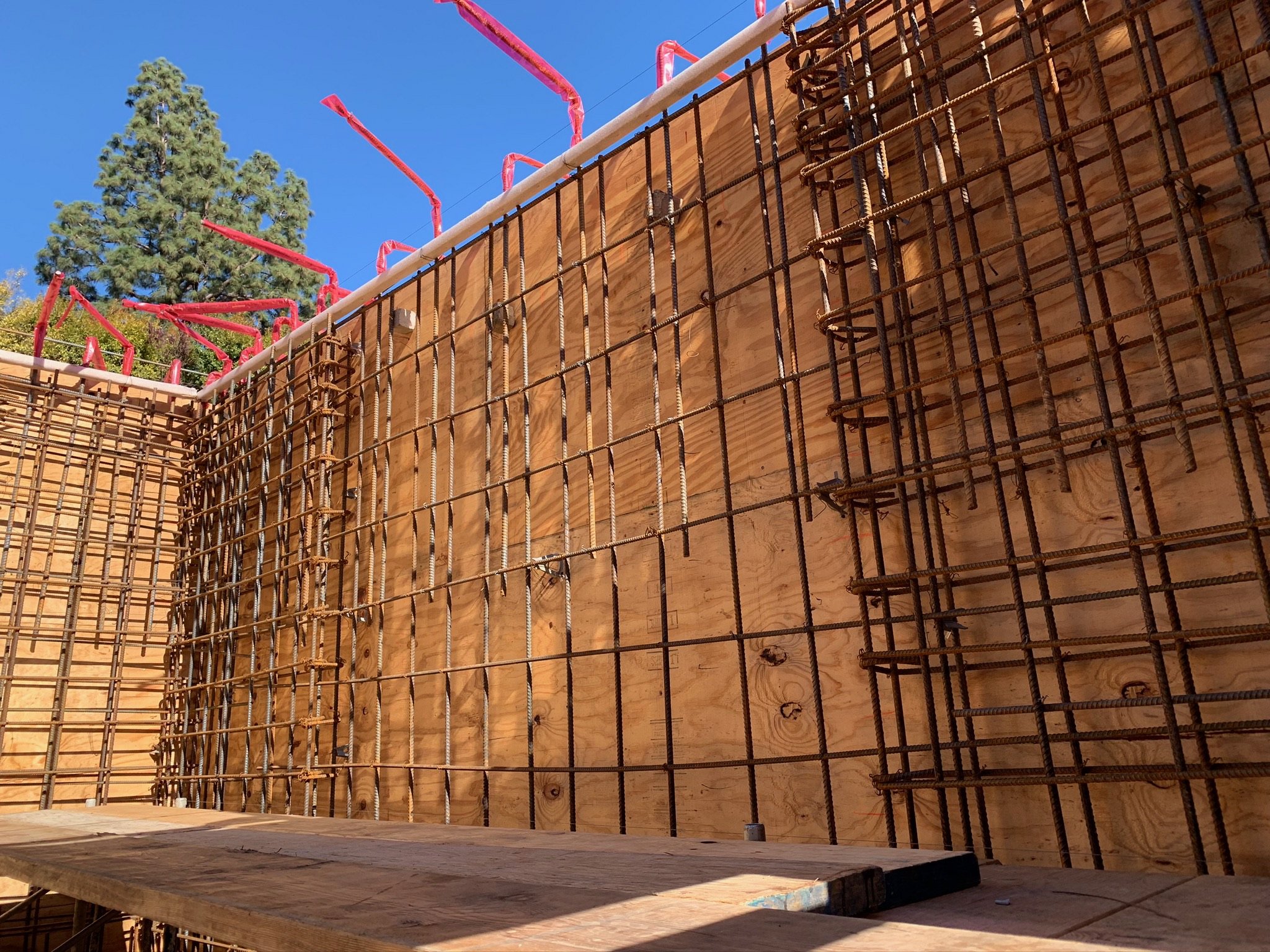
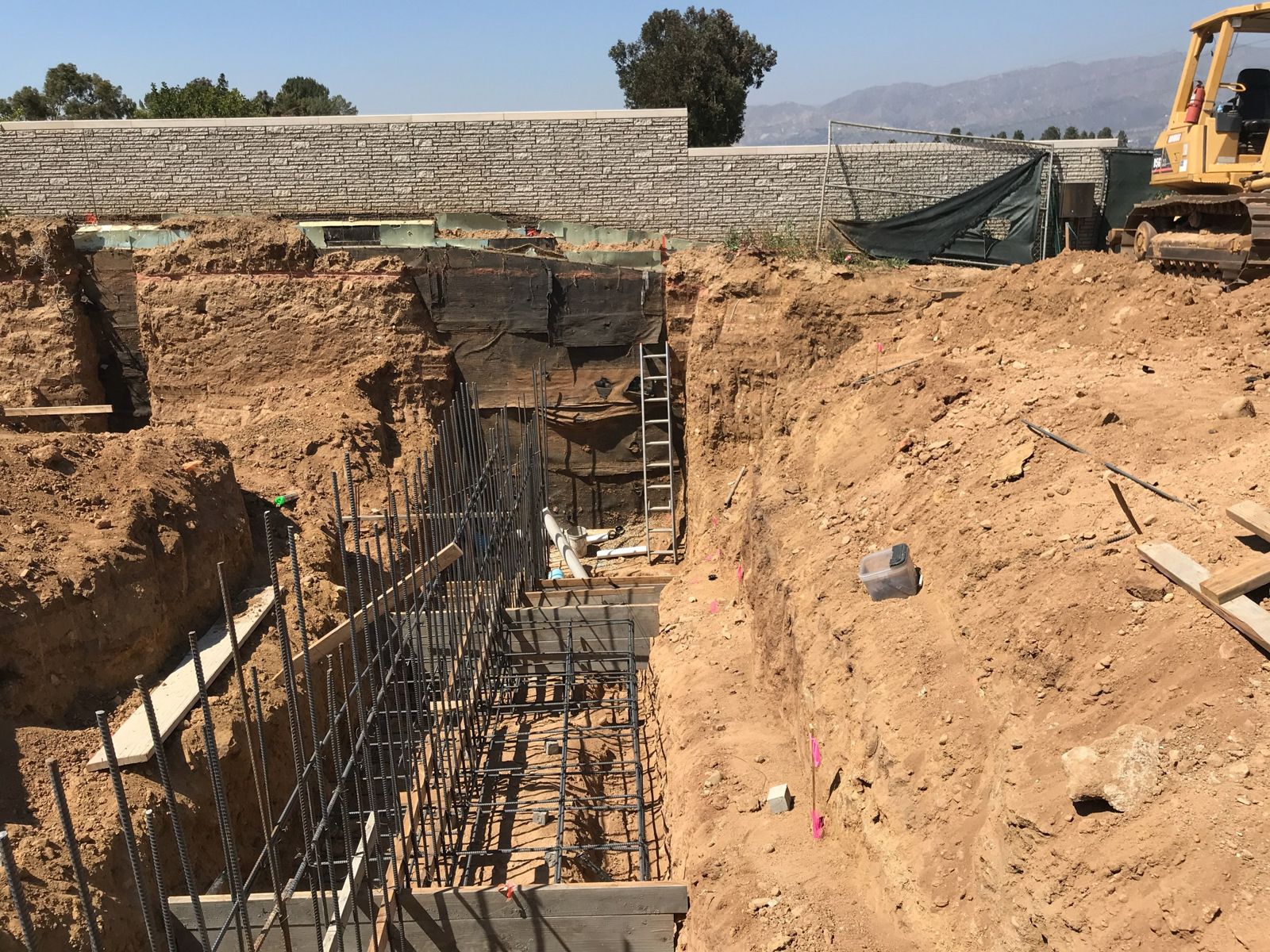
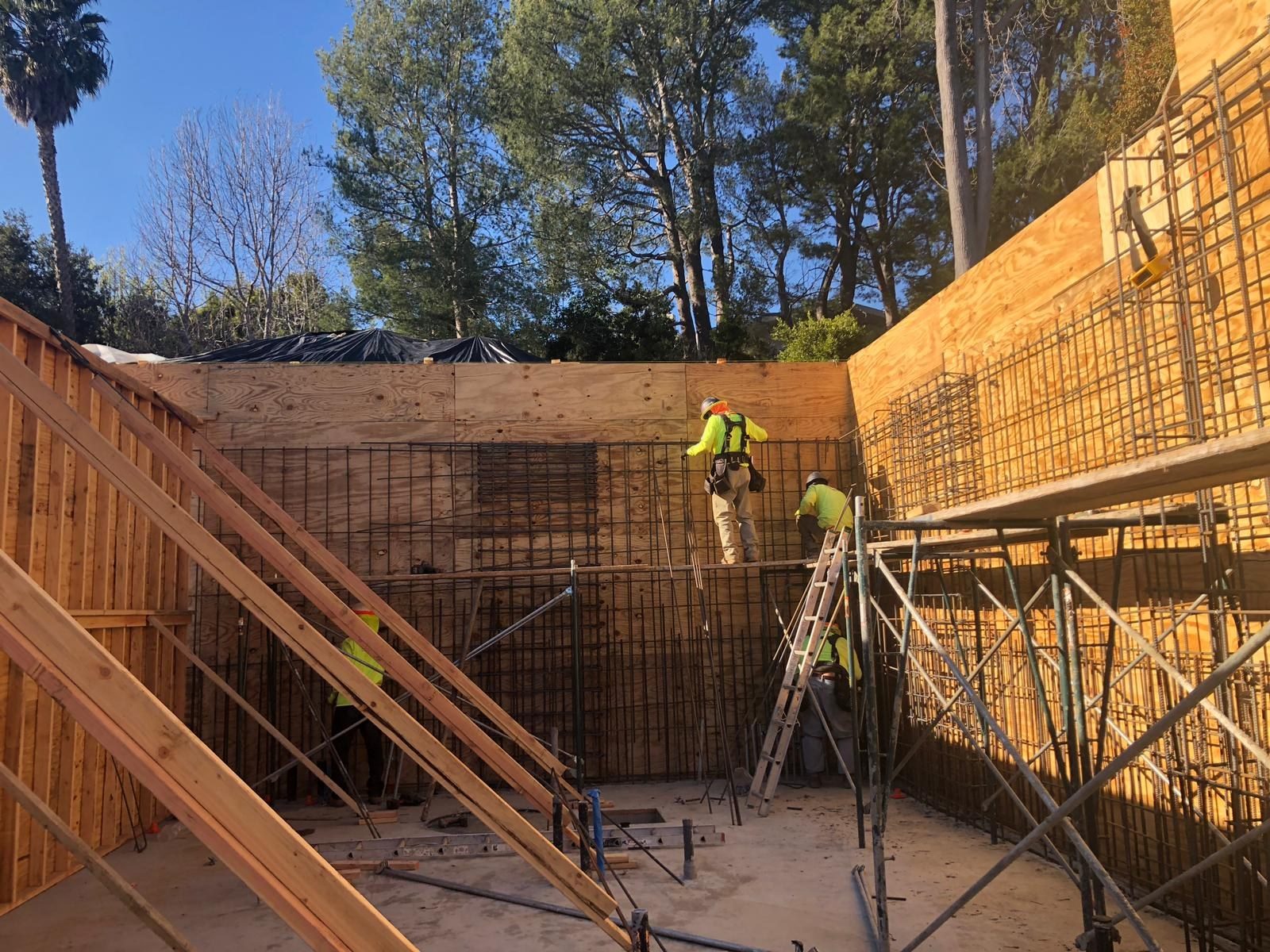
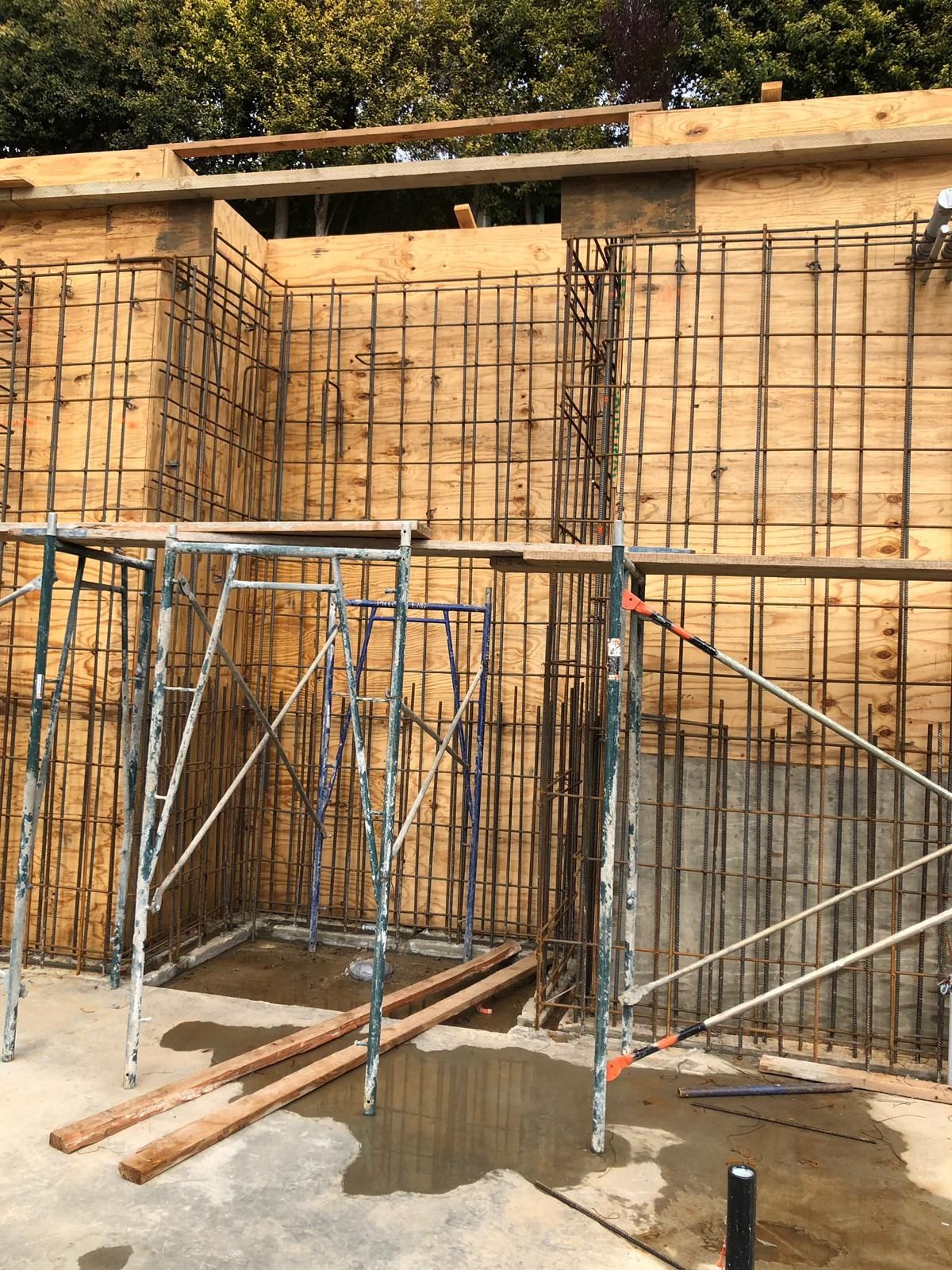
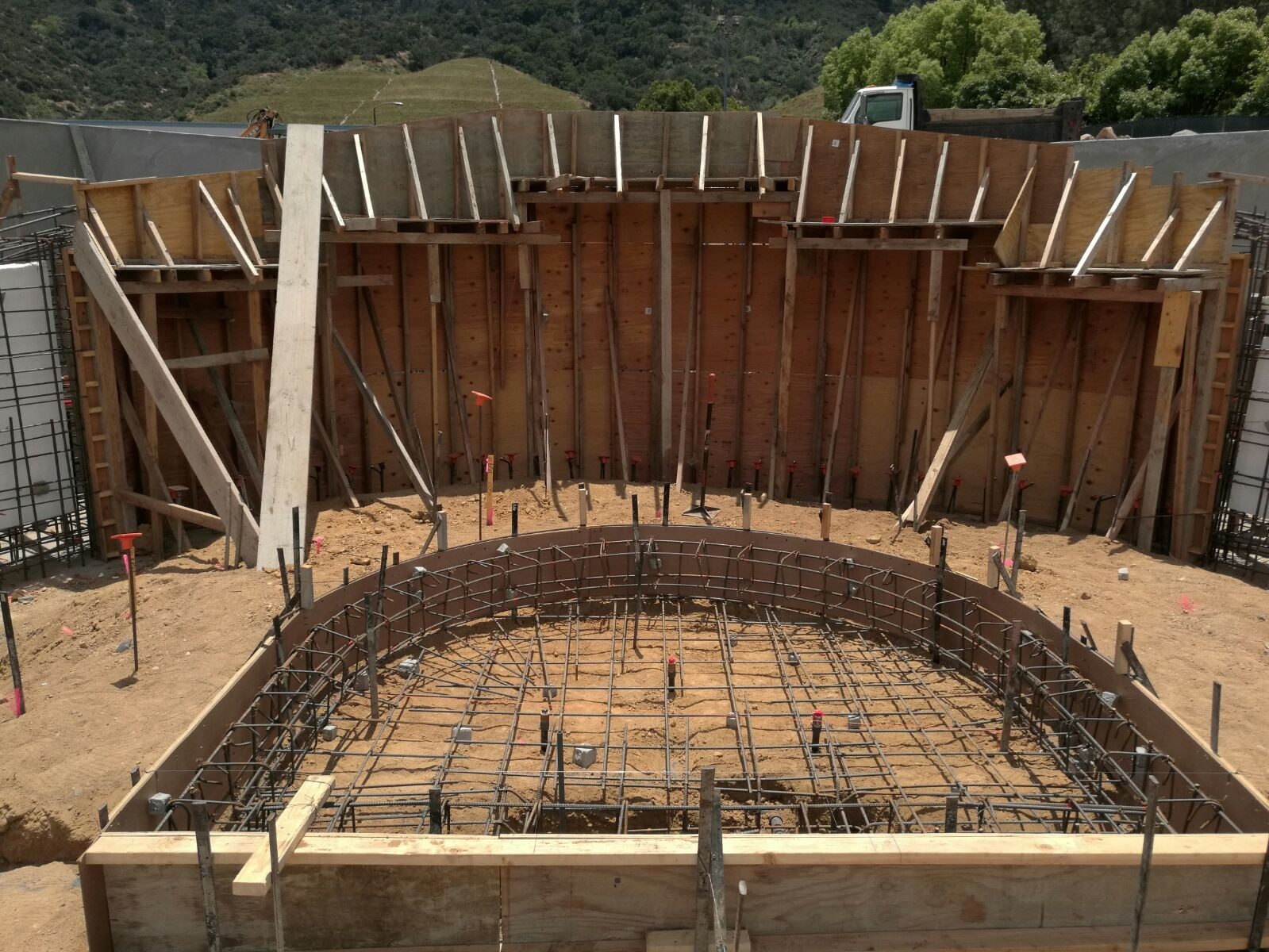
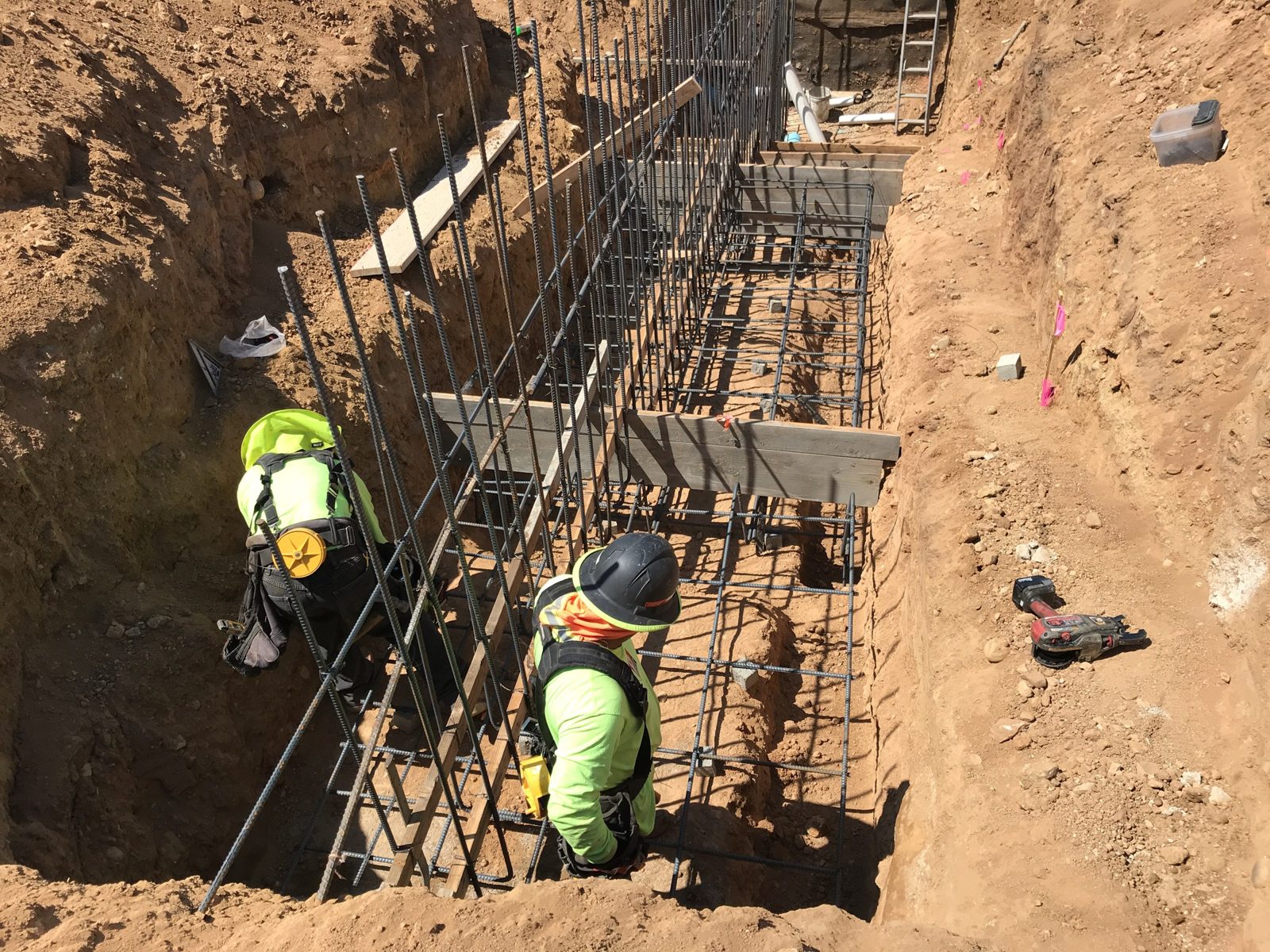
- Rebar is placed and inspected where the plans or permit require it.
- We pour and finish on a dry day. We don't pour when rain is in the forecast.
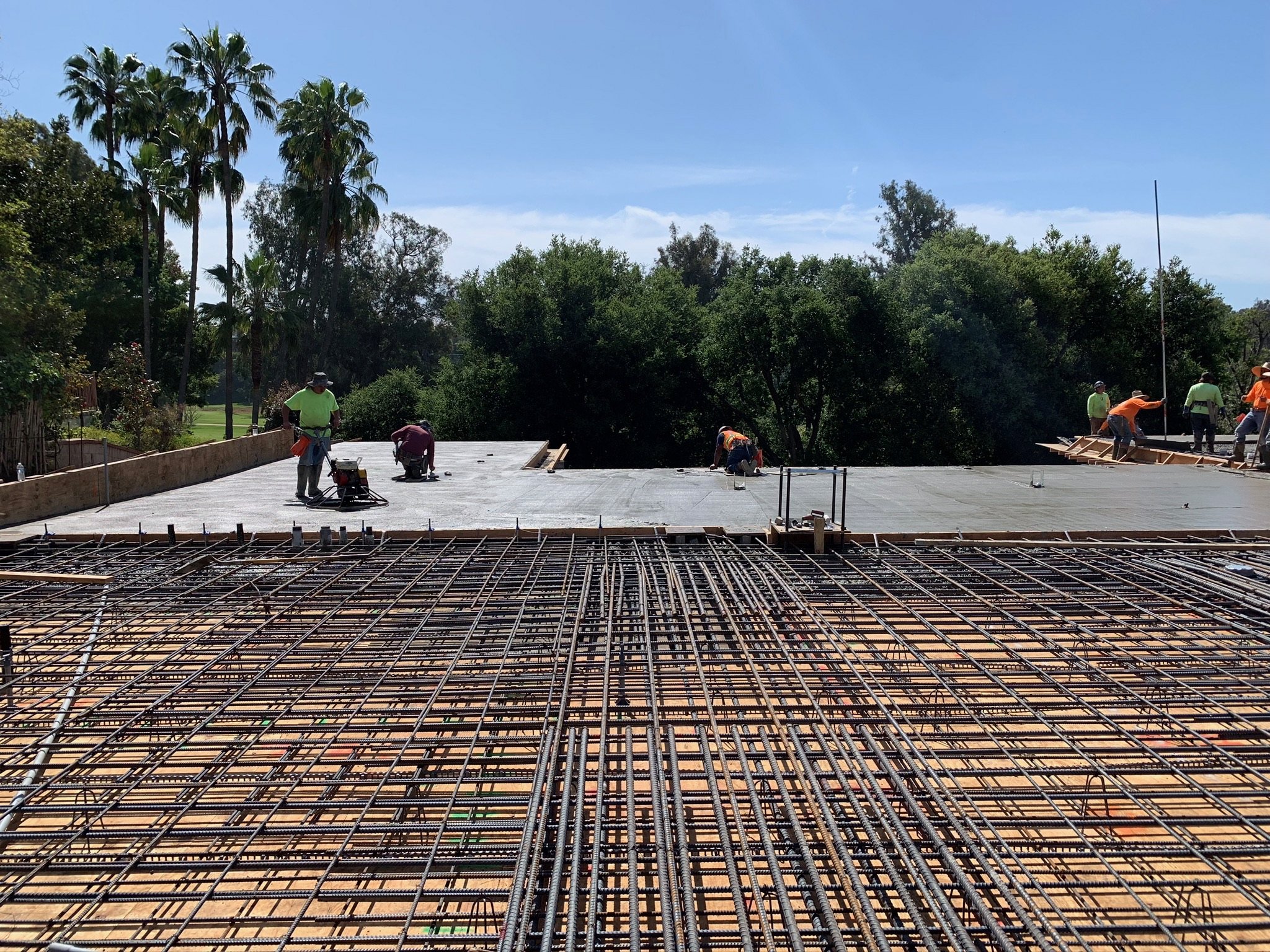
- The slab is cured and the control joints are saw-cut. Concrete shrinks as it cures, and the joints decide where the hairline cracks go.
What drives the cost
Area and thickness set the starting point. From there:
- Reinforcing, and demolition and haul-off of what is there now
- Pump access from the street
- The finish you choose
- Slopes and drainage the new surface has to meet
- Permits for anything in the street
New concrete can look uneven in color from one pour to the next. That is normal, and it evens out as the concrete cures.
What we do differently
In-house finishers.
Common questions
Why does new concrete look uneven in color?
New concrete often looks uneven from one pour to the next. Weather, sand, the mix and curing all affect the color while the concrete is young. The difference usually evens out as the concrete cures. Hairline cracks are controlled by the saw-cut joints, which decide where the concrete cracks as it shrinks.
Why is your bid higher than another one I received?
Often the bids don't cover the same work. Our proposals list what the price includes, such as saw cutting, demolition, haul-off, base, shoring and restoration, and what it excludes. Line the bids up item by item, and ask the other bidder whether those pieces are in their number.
Should we grind trip hazards or replace the concrete?
It depends on the lift and on what you want. Grinding works for lifts under about 1 inch and usually costs less, but it leaves a visible ground surface. Past 1 inch, we remove and replace the section. Some owners choose replacement for the look even on smaller lifts.
Stamped concrete or pavers: which holds up better in LA?
Either works, depending on where it goes. Colored concrete and colored pavers both fade in the sun unless they're kept sealed. For driveways we often suggest regular-color concrete with a light exposed-aggregate finish: it doesn't fade, and it holds up to tires better than lighter etched finishes, which wear away where cars drive.
How long before I can drive on a new driveway?
Keep cars off for 3 full days, and longer if you can. Until it's sealed, try to keep tires off it so they don't leave marks. Sealing is optional.
Why did my new concrete crack? Is that normal?
Some cracking is normal: concrete shrinks as it cures. Control joints are planned weak lines that make the crack happen in the joint instead of across the slab. On a 4-inch slab we space joints about 8 to 12 feet apart and cut them a quarter of the slab's depth. Cracks between joints point to other causes worth checking.
How thick should a concrete driveway be?
Our standard private driveway is 4 inches thick, with concrete of at least 2,500 psi, and JFPEC furnishes and places the rebar. Driveway approaches, curbs and sidewalks in the public right-of-way are built to the city's standard plan and permit instead.
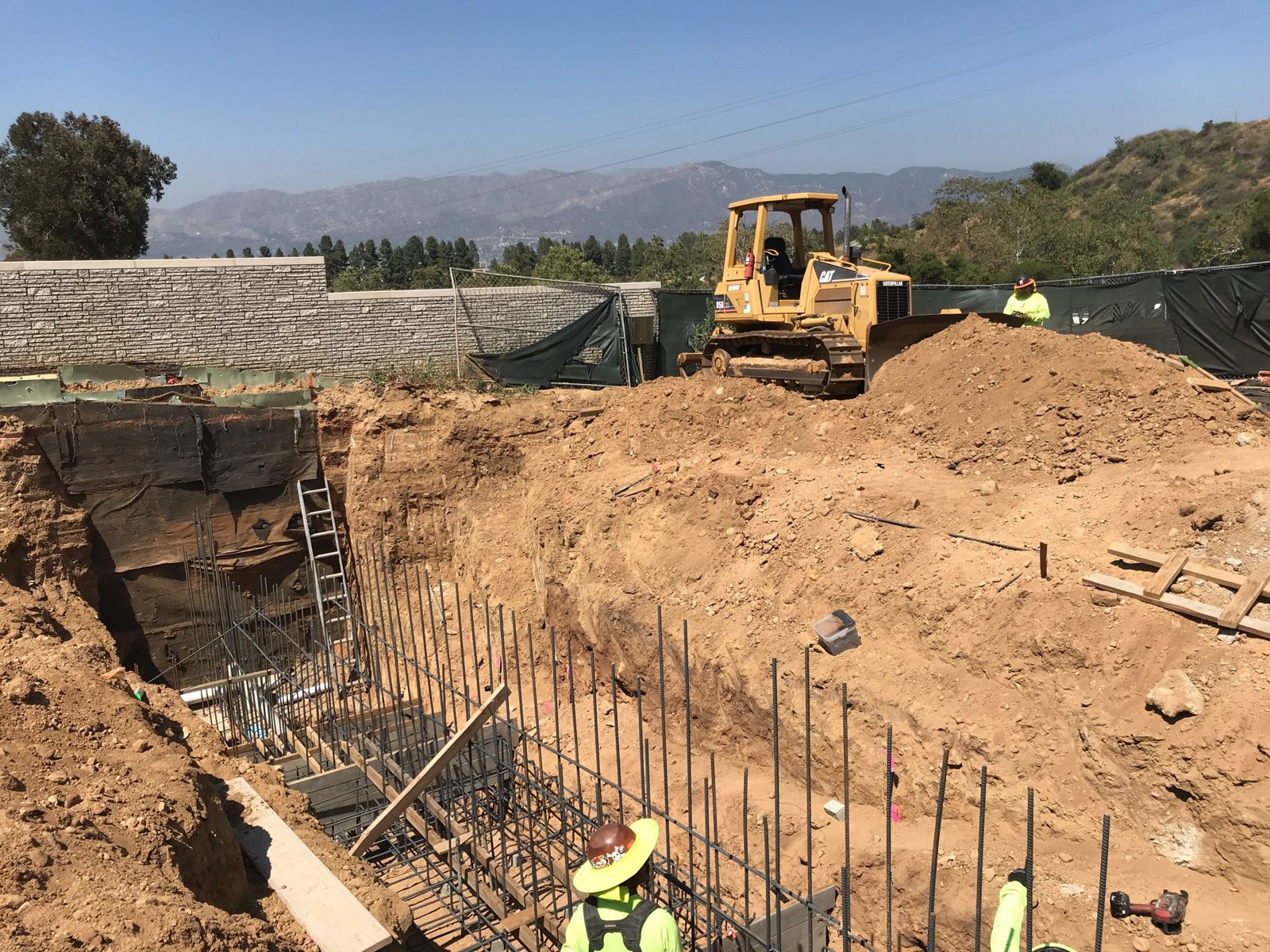
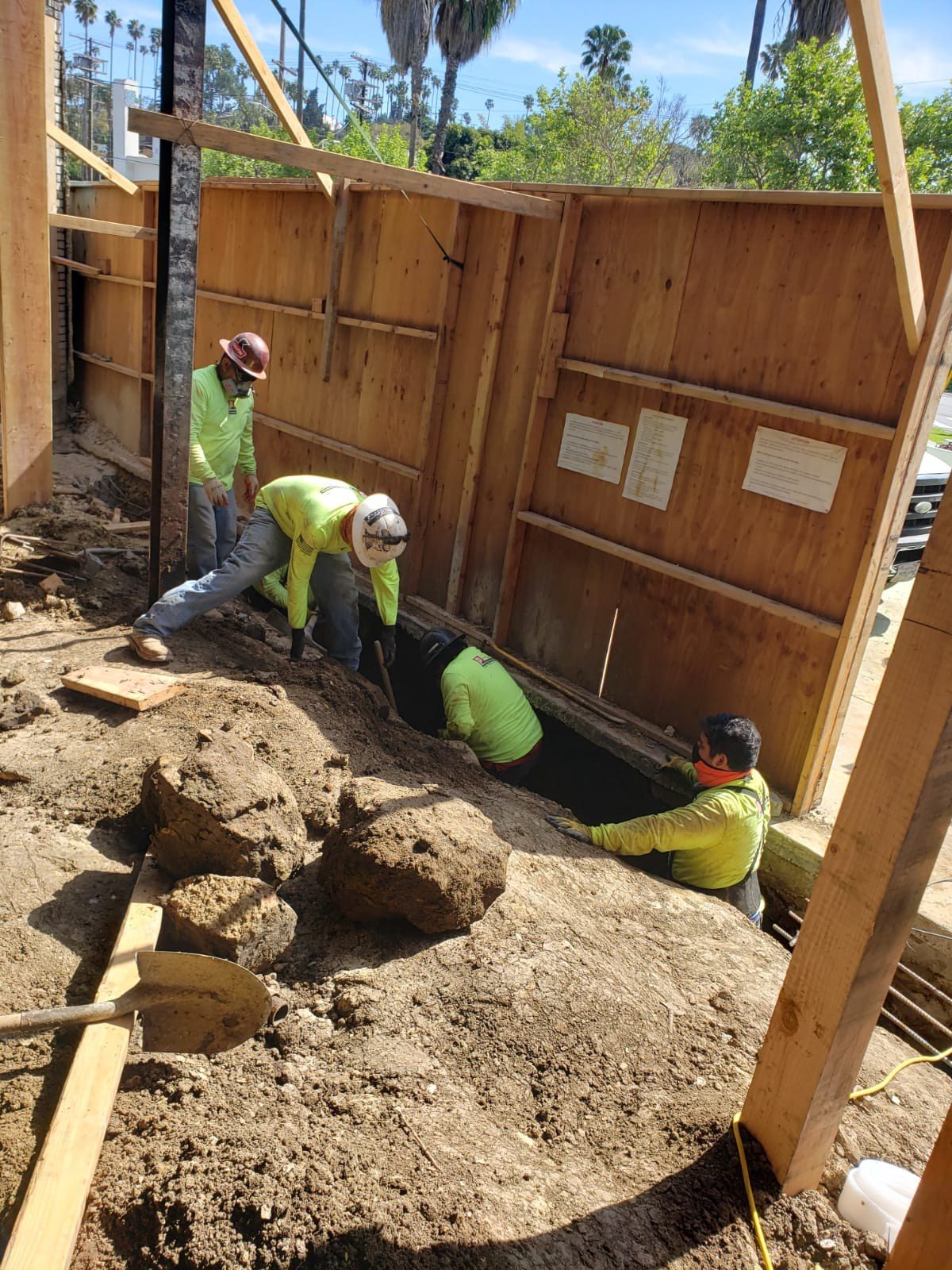
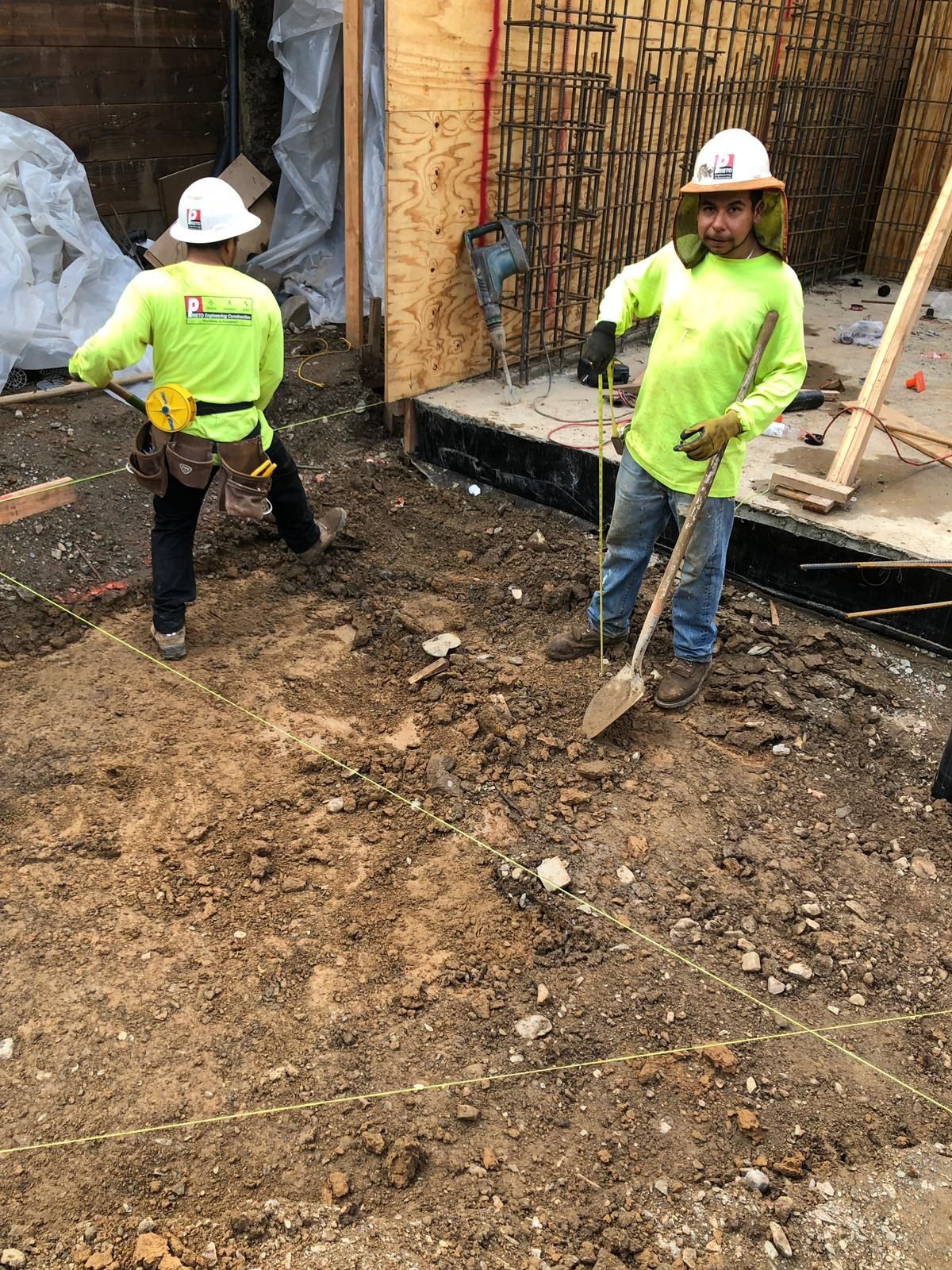
From the field

Ready to talk about your project?
Send us the details and we will follow up with next steps, or call us directly.