
Hospital NPC-5 Water & Wastewater Tanks
California requires every hospital building that will stay in general acute care after January 1, 2030 to be rated NPC-5, which includes on-site water and sewage holding tanks for 72 hours of emergency operations. We build the civil side of that work: excavation and shoring, tank foundations and placement, site piping, valves and connections, and restoration, to the engineer's HCAI-approved plans.
Who it's for
Hospital facilities and construction teams carrying NPC-5 water and wastewater storage in their seismic compliance plan
Architects and engineers of record who need a contractor to price and build the tanks and site piping they designed
General contractors on hospital NPC projects who need a Class A civil subcontractor for the tank and underground scope
Owner's representatives and program managers tracking the 2028 permit and 2030 compliance milestones
How the work goes
Review the approved plans. The engineer of record designs the tanks, supports and piping, and HCAI reviews and permits the construction documents. We price from those documents, line by line.
Walk the campus. We look at access, staging, existing utilities and how the work can stay clear of patients, ambulances and deliveries.
Locate and pothole. Existing water, sewer, gas, electrical and medical gas lines are located and exposed by hydrovac before excavation.
Excavate and shore. Excavation and shoring under our Cal/OSHA annual trench and excavation permit, with any engineered shoring designed by a licensed engineer.
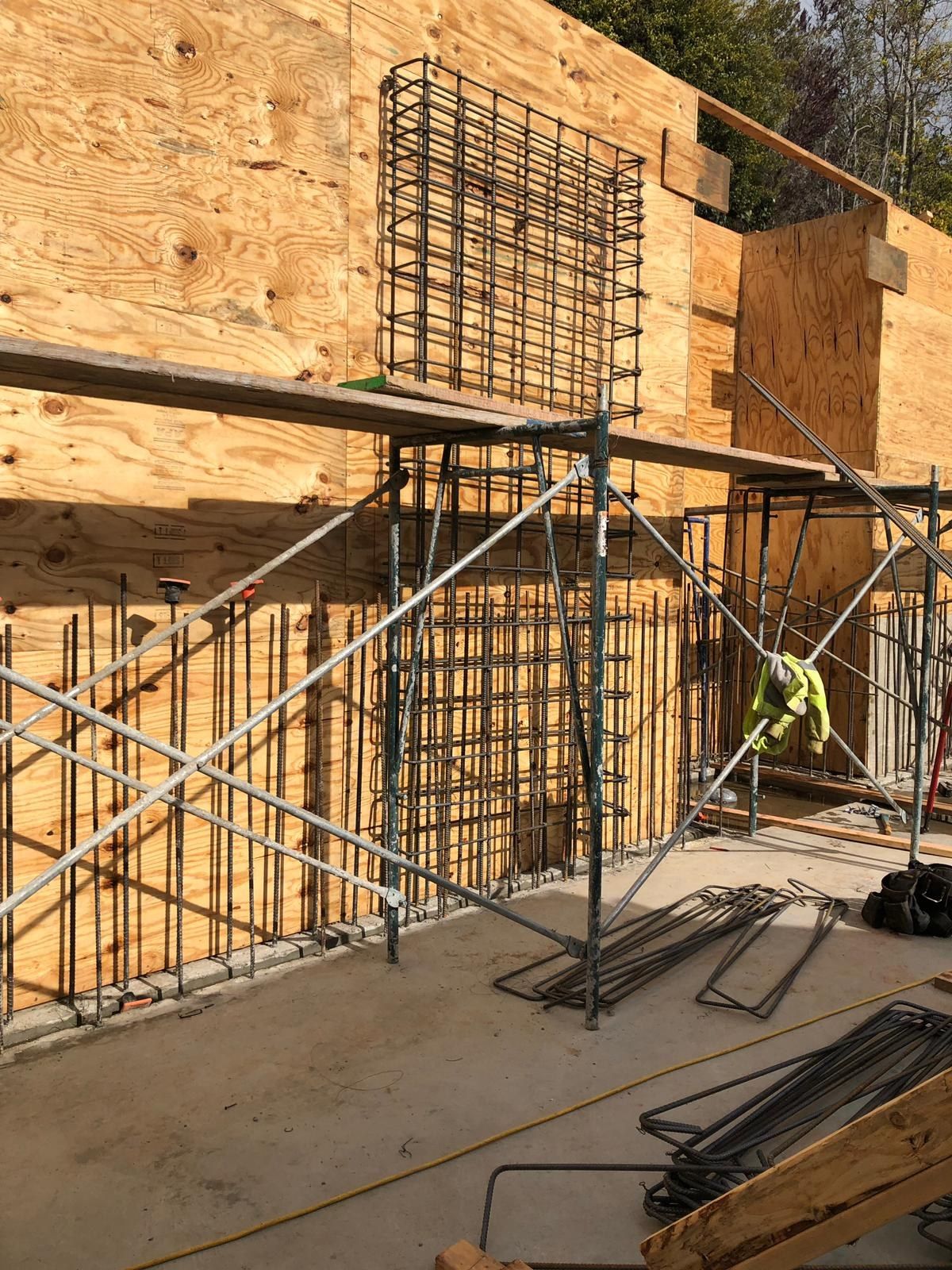
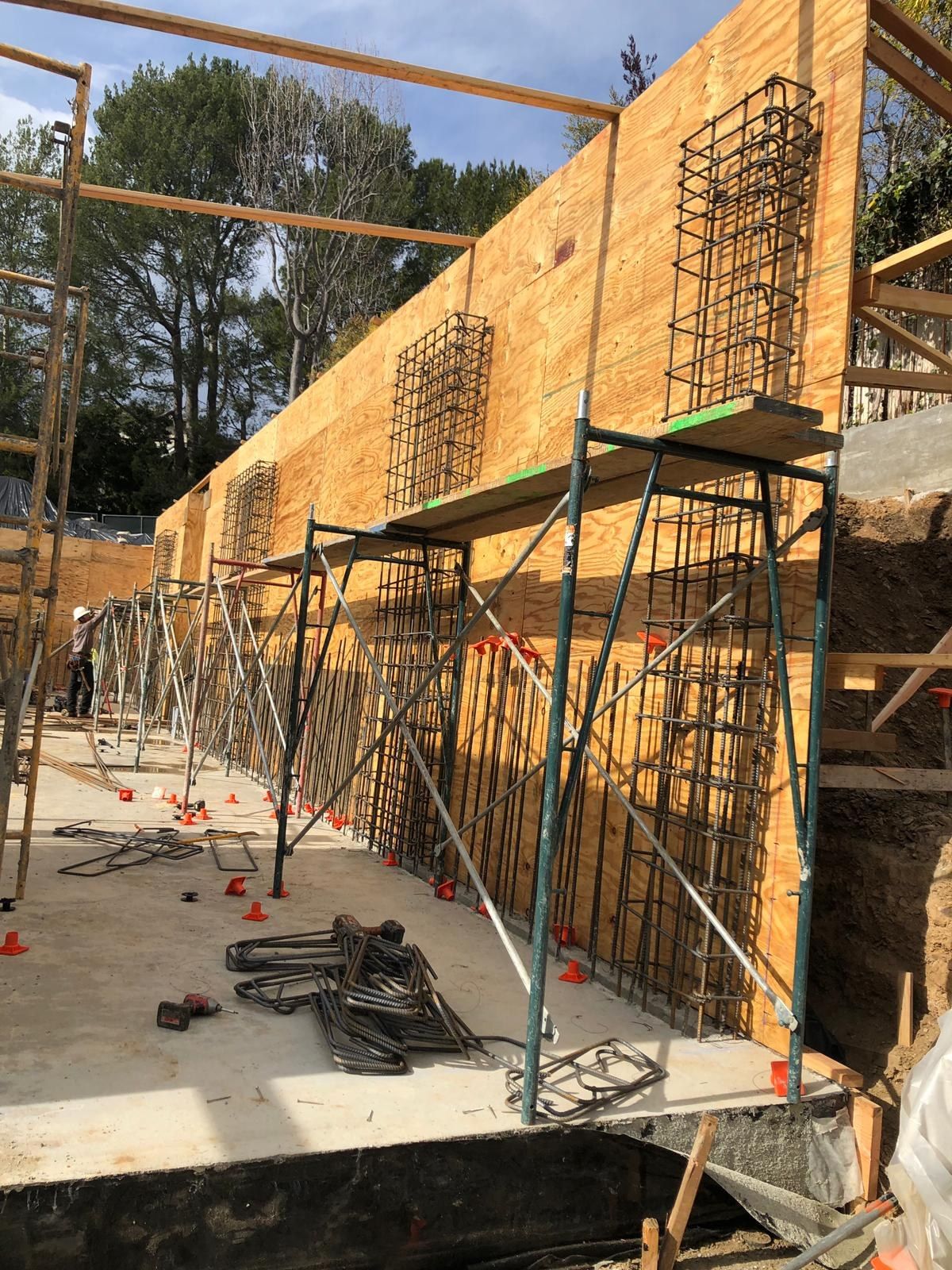
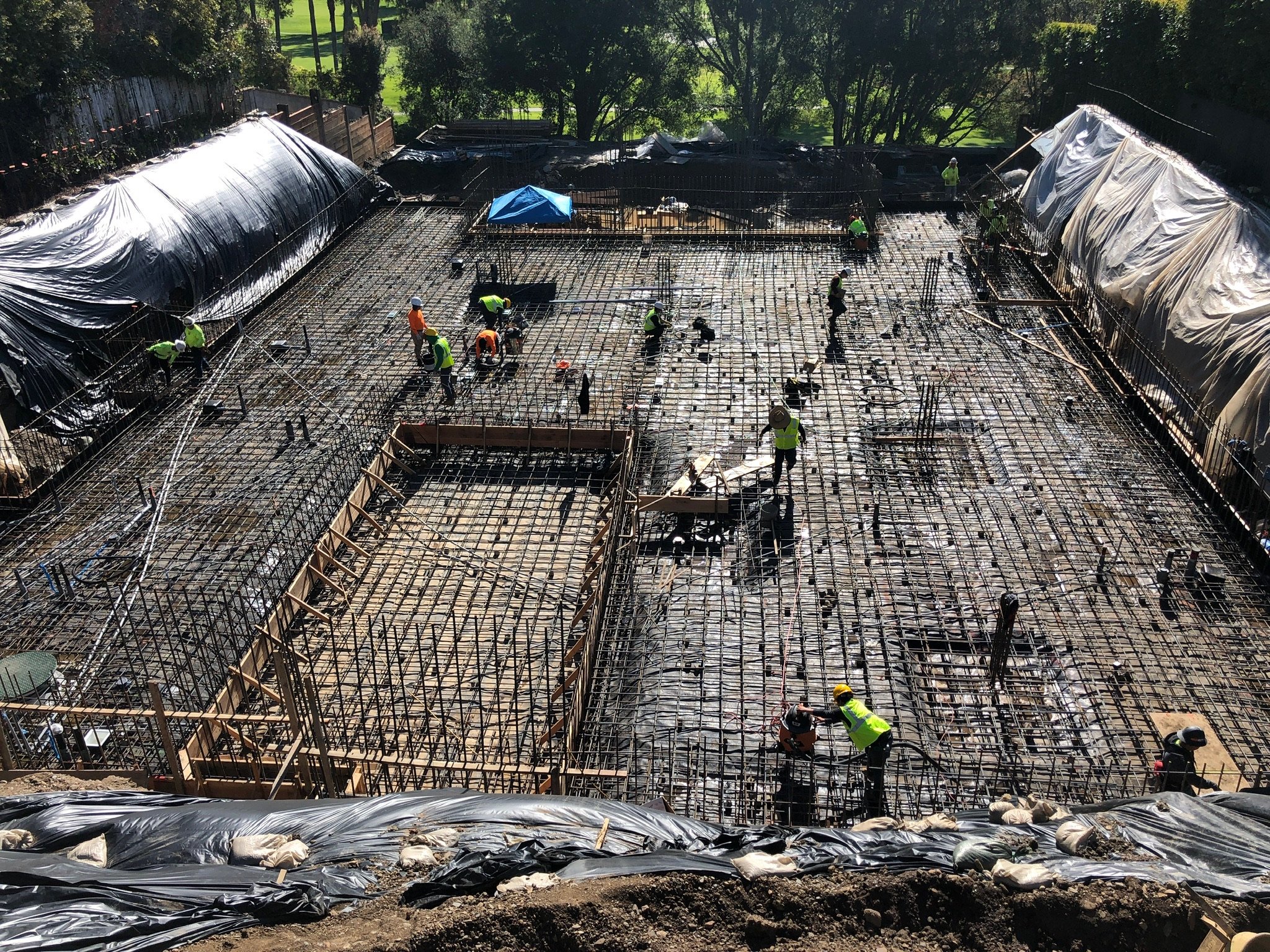
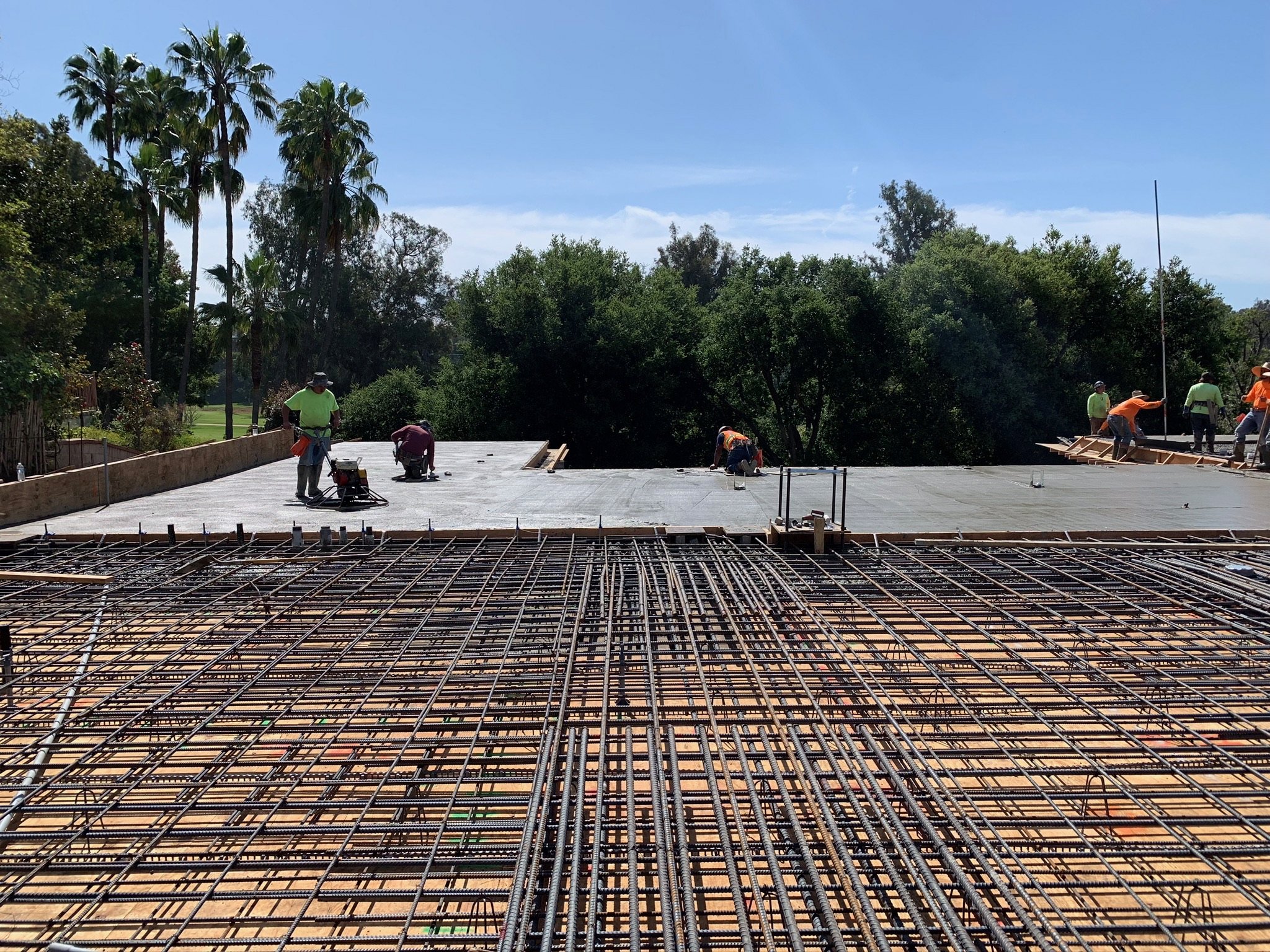
Build foundations and set tanks. Pads, foundations and anchorage for above-ground tanks, or bedding, placement and backfill for buried tanks, to the approved plans.
Pipe and connect. Site water and sewer piping, isolation valves and connection points, coordinated with the hospital's plumbing contractor for work inside the building.
Inspect and restore. Work is inspected under the HCAI permit before it is covered, then paving, hardscape and landscaping are put back.
What drives the cost
Tank type, size and number, set by the hospital's water conservation and rationing plan
Above-ground or buried tanks, depth, and the foundation or anchorage the engineer specifies
Distance from the tanks to the building connections
How crowded the campus is: existing utilities, access, working hours and phasing around patient care
Shoring, groundwater control and haul-off
Pavement and hardscape restoration
HCAI fees, testing and inspection, which the owner pays directly
What we do differently
One contractor licensed in both Class A General Engineering and Class B General Building, for the tanks, the site piping and the building-side coordination.
What NPC-5 asks of a hospital
Under California's hospital seismic safety rules, a building rated NPC-5 has on-site water supplies and holding tanks for sewage and liquid waste sufficient for 72 hours of emergency operations, integrated into the building plumbing, plus an emergency electrical system and 72 hours of on-site fuel. The deadline for existing general acute care hospital buildings is January 1, 2030.
The California Plumbing Code sets a minimum of 150 gallons of potable water per licensed bed, with process water on top of that for the systems the hospital will run in an emergency, and the campus needs at least one tank of 5,000 gallons. Wastewater holding capacity has no fixed minimum; it is sized from the hospital's water conservation and rationing plan. Sizing is the engineer's work, and the plan is reviewed by HCAI and accepted by the California Department of Public Health.
These wastewater tanks are emergency holding tanks. They are not septic or onsite treatment systems.
The milestones
- January 1, 2026: seismic compliance plan due to HCAI.
- March 1, 2026: NPC 4/4D and NPC-5 construction documents due, deemed ready for review.
- March 1, 2028: building permit obtained to begin construction. A hospital that misses it cannot get building permits for noncompliant buildings except for seismic compliance, maintenance and emergency repairs.
- January 1, 2030: NPC-5 for buildings that will stay in general acute care.
Some small, rural, critical access and district hospitals, and Distressed Hospital Loan Program recipients, may qualify for a delay of up to three years under AB 869. Read more in California Hospital NPC-5: Water and Sewage Holding Tanks by 2030.
What we build
- Foundations and pads for above-ground water and holding tanks, with the anchorage the engineer specifies
- Excavation, shoring and backfill for buried tanks
- Site water and sewer piping, isolation valves, cleanouts and connection points
- Utility locating and potholing around live campus lines, by our own Hydrovac & Potholing crew
- Paving, hardscape and site restoration
- Construction management of the tank package: schedule, coordination with the engineer, the hospital's other trades and the project inspector
Why the license matters
California defines a Class A General Engineering contractor around fixed works such as water supply, sewers and pipelines, and the excavation, grading, trenching, paving and concrete that go with them. A Class B General Building contractor's work centers on structures built for the support, shelter and enclosure of people. NPC-5 tank work sits across both: the tanks and site piping are engineering work, and they tie into a hospital building. We hold both classifications. See Who Should Build a Hospital's NPC-5 Tanks? Class A vs Class B in California.
Working on an operating hospital
A hospital does not close for construction. We have worked for hospitals before, including OSHPD work (OSHPD is now HCAI), and we phase the work around patient care, ambulance routes and deliveries, keep existing water and sewer service running until each connection is ready, and work to the hospital's infection control and safety requirements. Read Building Around a Working Hospital: NPC-5 Tank Construction.
Where our work stops
The engineer of record designs the tanks, foundations and piping, and HCAI reviews and permits them. Plumbing inside the building is coordinated with the hospital's plumbing contractor. We build to the approved plans and send any field change back to the engineer before it is built.
We work mainly on private hospital projects. Public and health care district hospital projects are considered case by case.
Send the HCAI construction documents, the water conservation and rationing plan and your schedule to projects@prietoengineering.com, or call (800) 606-3880. See also our Underground Utilities service.
CA Lic. #525452 · Class A + B + Haz
Common questions
Where we do this work
From the field
Ready to talk about your project?
Send us the details and we will follow up with next steps, or call us directly.