
California Hospital NPC-5: Water and Sewage Holding Tanks by 2030
To stay in general acute care after January 1, 2030, a California hospital building must be rated NPC-5, which requires on-site water and holding tanks for sewage and liquid waste for 72 hours of emergency operations. Construction documents were due by March 1, 2026, and a building permit must be in hand by March 1, 2028.
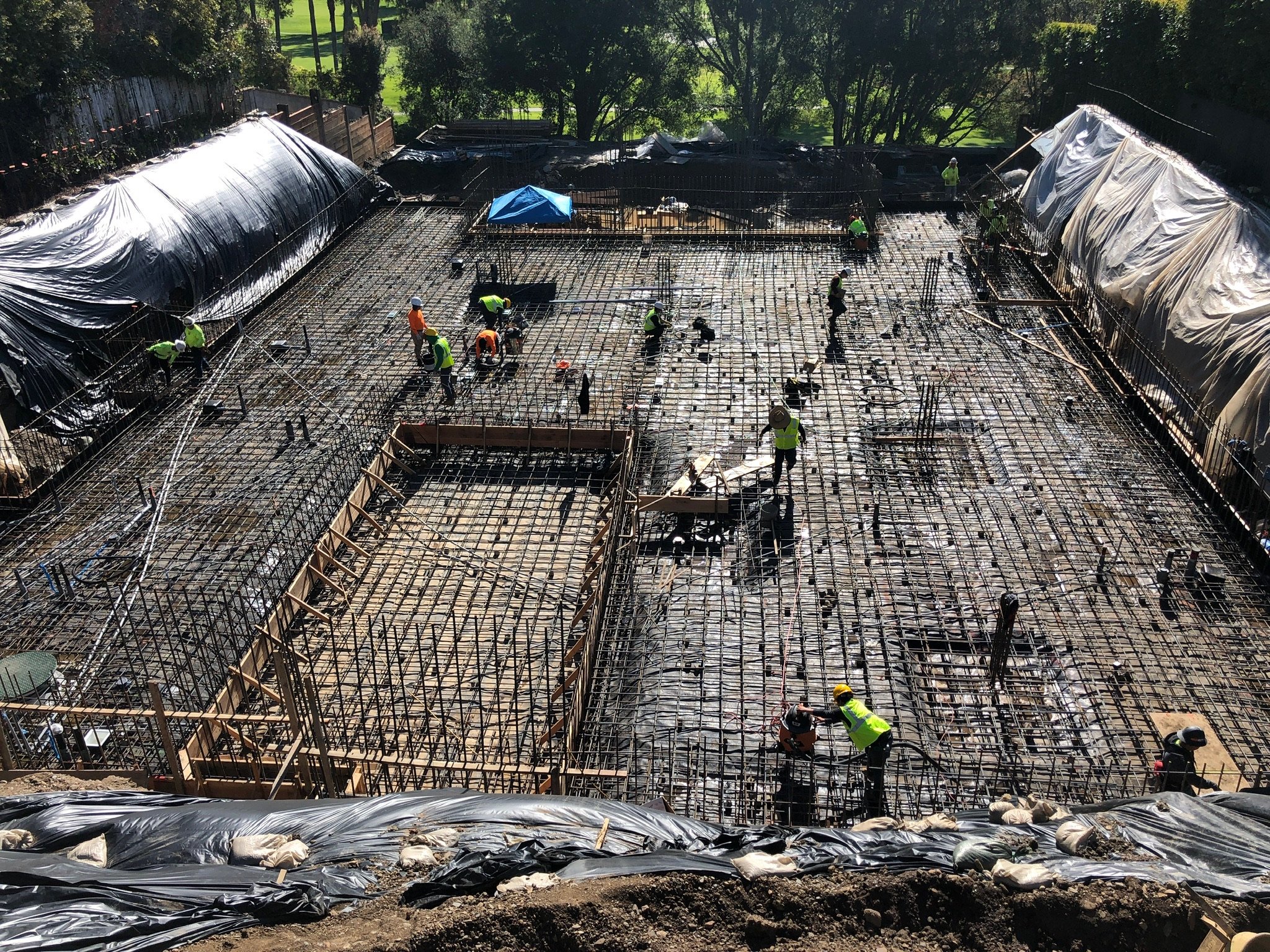
Every general acute care hospital building in California that will stay in acute care service after January 1, 2030 has to reach NPC-5. One of the most physical parts of that rating is storage: enough water on site, and enough holding capacity for sewage and liquid waste, to run the hospital for 72 hours if the public water and sewer systems fail after an earthquake.
What is NPC-5?
NPC stands for Nonstructural Performance Category. HCAI, the state department that regulates hospital construction (formerly OSHPD), rates every general acute care hospital building from NPC-1 to NPC-5. An NPC-5 building meets NPC-4 or 4D, which covers bracing and anchorage, and also has on-site supplies of water and holding tanks for sewage and liquid waste sufficient for 72 hours of emergency operations, integrated into the building plumbing. It also needs an emergency electrical system, radiological service and 72 hours of on-site fuel.
The ratings are cumulative, and NPC-5 is a campus-wide designation: a facility meets the 2030 requirement only when every general acute care building on the campus is compliant.
How much water does a hospital need to store?
The California Plumbing Code sets a floor of 150 gallons of potable water per licensed bed, based on 50 gallons per bed per day for 72 hours. Process water for the systems that keep the hospital running comes on top of that, and has no fixed minimum. The actual volume comes from the hospital's water conservation and rationing plan, which HCAI reviews and the California Department of Public Health must accept.
The plan matters. Rationing, and in some cases an approved tanker resupply after the first 24 hours, can change the required storage a great deal. Whatever the plan, the campus needs at least one water tank of 5,000 gallons.
What about sewage?
Section 727.1 of the California Plumbing Code requires on-site holding tanks for sewage and liquid waste for 72 hours of continuing operation. The code sets no minimum tank size; capacity follows the rationing plan. HCAI's FAQ notes the connections should include valves that isolate the external sewer lines. These are emergency holding tanks, not septic or onsite treatment systems. Approved reduced-tank arrangements, such as transportable disposal, need HCAI and CDPH approval.
What are the deadlines?
- January 1, 2025: NPC-4/4D and NPC-5 evaluation reports (required for hospitals seeking an AB 869 delay).
- January 1, 2026: seismic compliance plan submitted to HCAI.
- March 1, 2026: NPC 4/4D and NPC-5 construction documents submitted and deemed ready for review.
- March 1, 2028: building permit obtained to begin construction. Hospitals that miss it cannot be issued building permits for noncompliant buildings except for seismic compliance, maintenance and emergency repairs.
- January 1, 2030: NPC-5 for every building that will continue as general acute care.
Can a hospital get more time?
Only some. In 2024 the Legislature passed SB 1432, which would have let any hospital apply for up to five more years. The Governor vetoed it, so January 1, 2030 still stands for most hospitals. AB 869 does allow a delay of up to three years, to January 1, 2033, for eligible hospitals: small hospitals, rural and critical access hospitals, health care district hospitals and Distressed Hospital Loan Program recipients, among other conditions. Those hospitals had to meet the evaluation and compliance plan deadlines, and missing milestones under a delay can bring daily fines.
What this means for a facilities team
With construction documents due in 2026 and permits due in 2028, the tank work is a construction problem now, not a planning problem. A crowded campus, live utilities and patient care around the work all take time to plan. The engineer designs the tanks; the earlier a contractor sees the plans, the better the phasing and pricing.
Where we fit
JF Prieto Engineering Construction, Inc. builds the civil side of NPC-5 water and wastewater storage: excavation and shoring, foundations and tank placement, site piping and connections, and restoration, to the engineer's HCAI-approved plans. See our Hospital NPC-5 Water & Wastewater Tanks service, and read Who Should Build a Hospital's NPC-5 Tanks? Class A vs Class B in California and Building Around a Working Hospital: NPC-5 Tank Construction.
Rules and dates change. Confirm current requirements with HCAI before you commit.
CA Lic. #525452 · Class A + B + Haz