
Why Plan Gaps Become Change Orders (and How to Catch Them Before You Sign)
A plan gap is anything the work needs that the drawings don't clearly show: a missing detail, a conflict between sheets, or site work nobody drew. Contractors price what is drawn, so every gap becomes an RFI, a delay and often a change order. Catching gaps before bidding, and sending them to the design team as RFIs, is usually the cheapest fix.
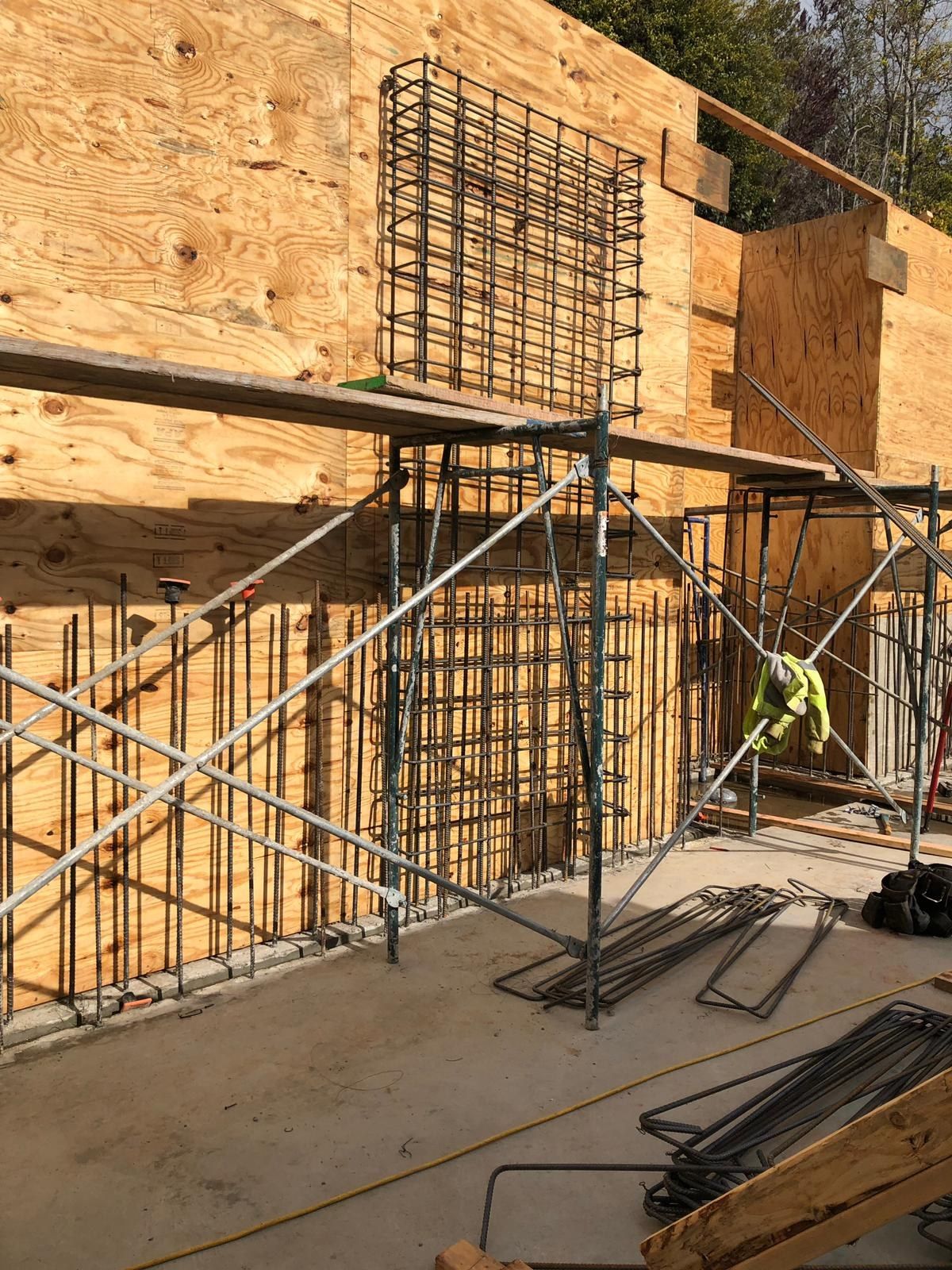
Owners are often surprised by their first big change order. The contract was signed, the price was agreed, and suddenly there is a new number. Often the cause isn't the contractor. It is a gap in the plans that nobody caught before the job was priced.
How a plan gap becomes a change order
- The contractor prices what the drawings show.
- In the field, the crew reaches something the drawings don't cover: a missing detail, two sheets that disagree, or a condition nobody drew.
- Work slows while an RFI goes to the design team.
- The answer adds work that wasn't priced, and that becomes a change order.
The cost is not only the extra work. It is the waiting, the re-sequencing and the crew time lost while the question is answered.
The plan gaps we see most
- Underground and site work: storm drain, utility connections, site walls and grading that are assumed on the architectural sheets but never drawn by civil.
- Details that don't exist: a sheet calls out a detail number that isn't in the set.
- Structural versus architectural: dimensions, elevations or footing sizes that don't match between disciplines.
- Existing conditions: utilities, old foundations or septic systems the plans don't account for.
- Access and logistics: work that can't be reached, staged or sequenced the way it is drawn.
- Temporary work: shoring, dewatering and protection that someone will have to provide but nobody shows.
The data behind it
HKA's CRUX Insight report, drawn from 703 distressed projects in the Americas, found incorrect design was a cause of dispute on 18.3% of them and incomplete design on 16.8%. A constructability-review paper published by the Construction Management Association of America recommends reviews at the 90 and 100 percent design stages, before bidding.
How to catch gaps before you sign
- Get a constructability read before bidding. A builder who reads the plans sheet by sheet will find what is missing.
- Send the gaps as RFIs to the design team, and get the answers into the bid set.
- Check the contract scope against the plans. Anything excluded or left "by others" needs an owner.
- Carry contingency that matches the gaps you know about, not a number picked from a chart.
Why we look for what isn't drawn
We are a family-run, second-generation contractor, working in Los Angeles since 1978. For almost 50 years our crews have self-performed the trades that sit under and around a building, the work plans often leave out, and we run general contracting and construction management as well. That is why our reviews read from the structural details back to the plans, and look as hard at what is missing as at what is shown.
What we don't do
We don't design or engineer. Design answers come from your architect and Engineer of Record; we identify the gaps and options for them to evaluate. We are a licensed contractor, not a law firm, and contract language goes to your attorney.
Frequently asked questions
My plans are permitted. Can they still have gaps?
Yes. Plan check reviews for code compliance, not for whether the set is complete enough to build and price without questions.
When is the best time for a plan-gap review?
Before the plans go out to bid, while the design team can still answer RFIs and update the set.
Will a review stop all change orders?
No review can promise that, especially on sites with unknown existing conditions. It catches the gaps that are on paper, which is where many of them start.
See our plan-gap and constructability review and contract and plan review.
Plans in progress? Call (800) 606-3880 or send a short description through the contact form. Family-run in Los Angeles since 1978. CA Lic. #525452 · Class A + B + Haz.