The Septic Failed Mid-Escrow. A Step-by-Step Playbook for Agents
Don't panic and don't pump. Read the findings, then ask the septic contractor for a proposal that prices what can be seen and clearly lists what can't be confirmed yet. The buyer and seller then choose repairs before closing, a credit or a price change. After repairs, the system is re-certified. Most failures are repairable.
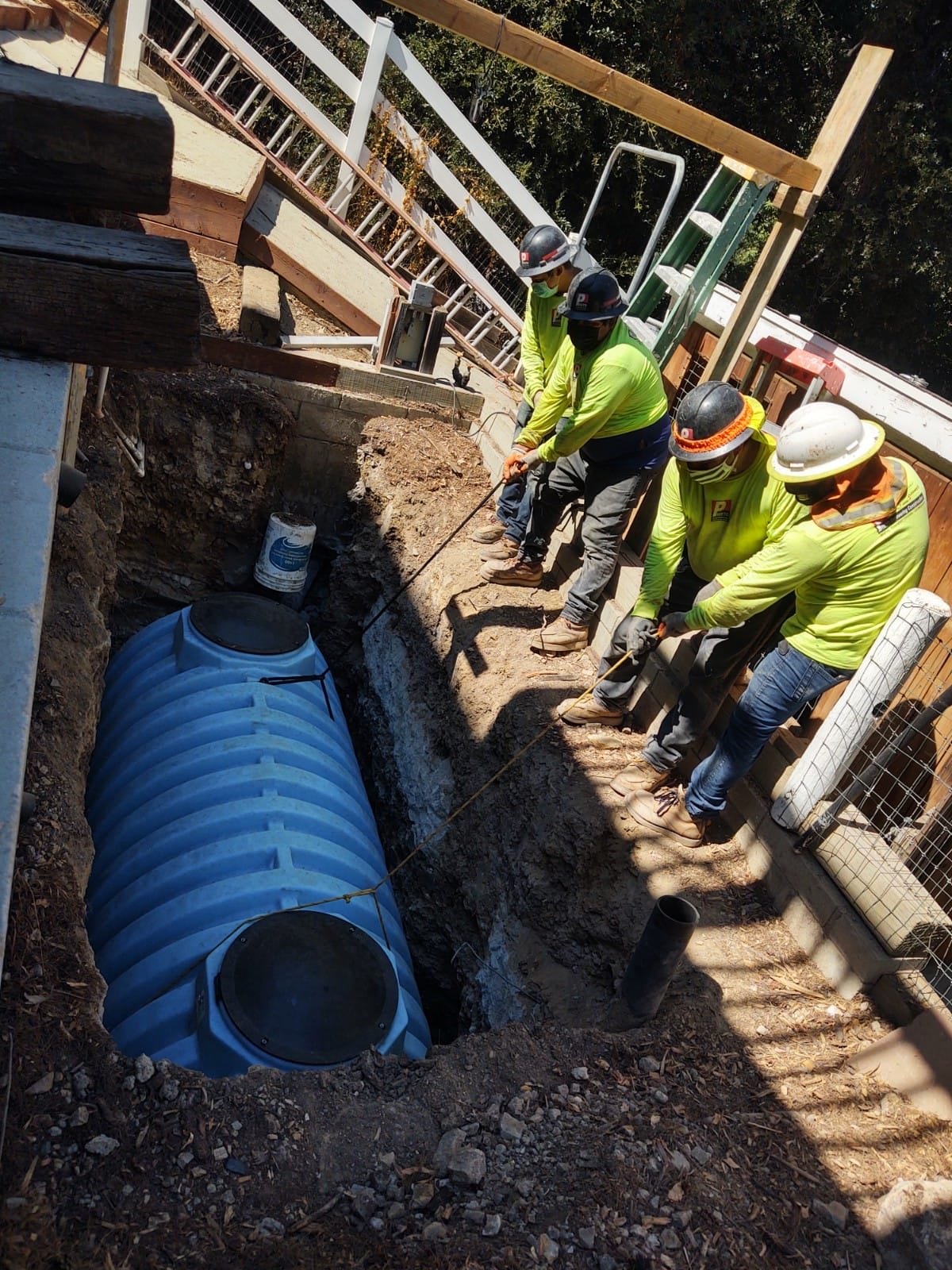
A failed septic certification in the middle of escrow feels like a deal-breaker. Usually it isn't. Most septic systems don't fail because something broke. They fail because a slimy layer called the biomat builds up where there's no oxygen and clogs the soil. Many of those systems can be brought back. Here is the order that keeps the deal moving.
Step 1: Read what actually failed
The findings matter more than the word "fail." Sort them into two groups:
- Structural: a broken baffle, a cracked lid, a broken pipe at the tank, a collapsed line, roots getting in.
- Biological: a pit or leach field that stays full because the soil is clogged with biomat.
Structural problems get repaired. Biological problems get treated, and sometimes need physical work around the pit.
Step 2: Get a proposal with its limits written down
After the certification, we price the items we can see and assess. A good proposal also says what it doesn't cover: the parts we couldn't open or confirm, why each one matters, and that each could turn out fine or need repair. That gives everyone a real number for what's known, and an honest list of what isn't.
If all anyone can find is a cleanout at the house, we need a time-and-materials agreement to locate the system first, preferably signed by the seller, since it's the seller's property being opened up.
Step 3: Decide repair, credit or price change
With the proposal in hand, the buyer and seller can choose:
- Repairs done before closing
- A credit in escrow
- A price change
The agents work out any split or credit in escrow. We don't need to split our invoice, though we can if it's truly required.
Step 4: Know when treatment works and when it doesn't
For an owner living in the home, we step up treatment gradually. In a sale, the buyer needs a system that works from move-in day, so we go further at once: treatment in the tank and the pit, and where the pit is badly clogged, replacing the soil around its upper section.
Treatment can't fix a collapsed pit, a broken tank, a system too small for the house, or a site where groundwater has risen. If that's what we find, we say so, and the path is a repair or a new system designed by a licensed professional and approved by the agency.
Step 5: Re-certify
Once the repairs are done, the system is re-inspected and the certification is re-issued. Build that visit into the escrow timeline.
Mistakes that slow a deal down
- Pumping before the inspection. It hides the pit's real condition and usually leads to a 24-hour hydraulic test anyway.
- Pricing repairs before the system is open. The inspection decides the repair.
- Waiting. Ask for the proposal the day the findings arrive.
Frequently asked questions
Does a failed certification mean a whole new system?
Often not. See our guide to failed septic systems for the repairs that usually bring a system back.
The seller says the aerator in the tank proves the system is fine. Is that true?
Not by itself. An aerator can mean someone maintained the system well, or that a failure is being recovered. The pit levels and, if needed, a hydraulic test tell you which.
Where we fit
JFPEC inspects, repairs, restores and re-certifies septic systems across LA County. Send us the certification report and call (800) 606-3880.
Sources
- JFPEC field practice, septic inspection tiers and ORCA restoration process.