Is a Pump and a Camera a Septic Certification? What Agents Should Order
No. Pumping the tank or running a camera from a cleanout is not a septic certification. A certification opens and checks the whole system: both tank compartments, the distribution box and every seepage pit or leach line, and rates it pass or fail. If you need a pass or fail answer for escrow, order a certification by name.
Agents ask us this more than any other septic question, usually after a listing already has a pump ticket and a sewer video in the disclosure packet. Those are useful records. They are not a certification.
What a septic certification includes
A certification looks at the whole system, from the house to the last seepage pit or leach line:
- Both compartments of the septic tank, opened and checked
- The baffles, inlet and outlet connections
- The distribution box, if there is one
- Every seepage pit or leach line, with the water level measured against the depth
- A pass or fail rating, with written findings
We offer two levels. A General Inspection gives findings on what we can reach. A Septic Certification rates the system pass or fail and needs access to every component. If the contract says certification, order a certification.
Why a camera from the cleanout isn't enough
Cleanouts are often not placed so a camera can run the full line from the house to the tank, or from the tank to the house. And from the tank, a camera usually can't continue to the distribution box or the seepage pit. A video from the cleanout shows one stretch of pipe, not the system.
The point of reaching every part is to confirm there are no collapsed pipes and no roots that will cause a backup after closing.
Why a pump ticket isn't enough
Pumping empties the tank. It doesn't tell you whether the pit can absorb water. A freshly pumped system can actually hide a problem: a clean tank with an empty pit often means someone pumped before the inspection, sometimes because the pit was backing up. When we see that, we recommend a 24-hour hydraulic test, which shows whether the pit really takes water.
That's also why we ask that the tank not be pumped before the inspection.
When digging is needed, and when it isn't
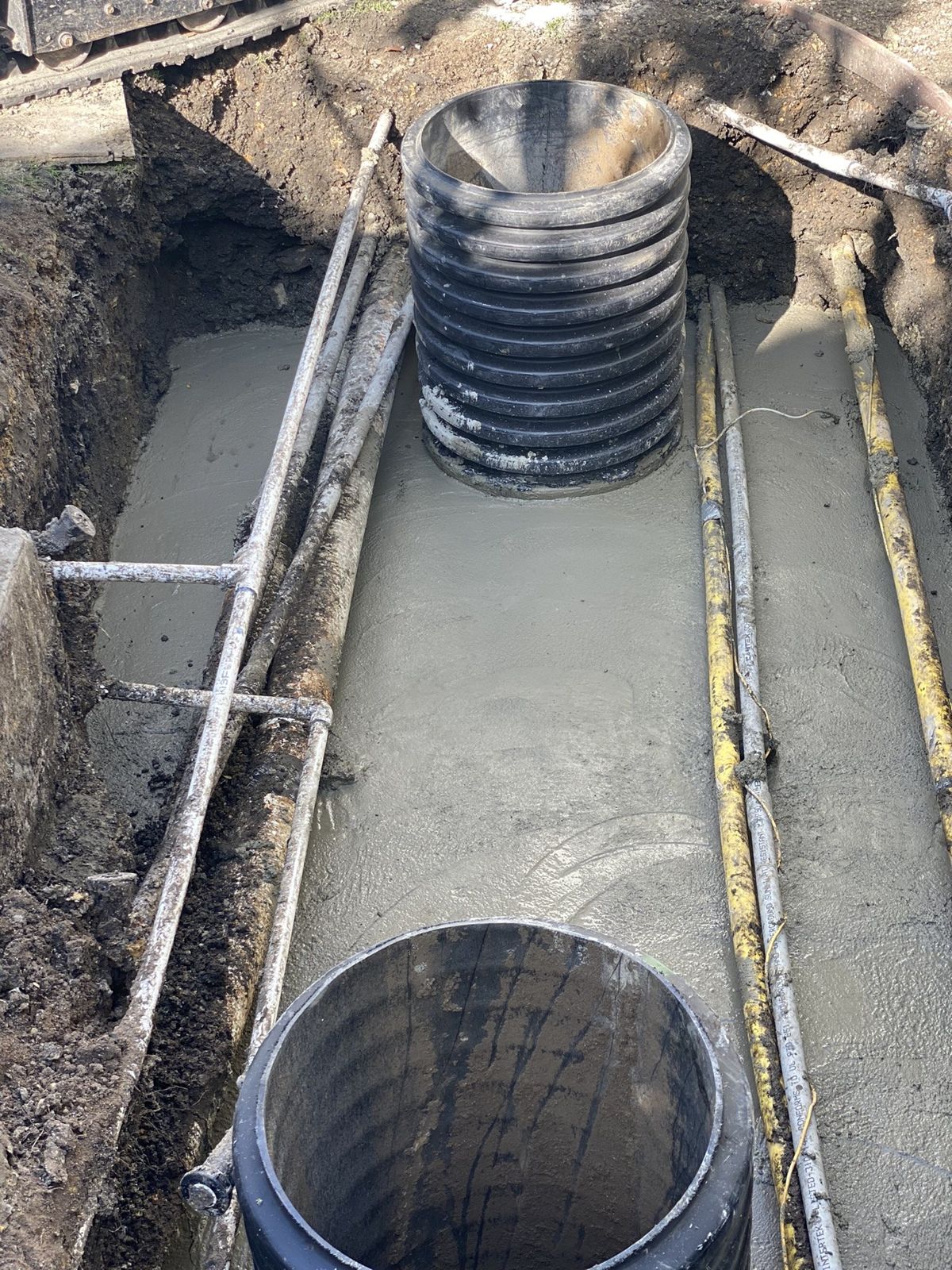
Many times we have to dig to the top of the tank, because there is no access on one side or the other. If the camera runs cleanly and every component can be reached from the surface, digging isn't needed. Larger-diameter risers help, because we can reach down and push the camera through the lines in both directions from the tank.
If lids are buried, they have to be located and exposed first. In a sale, we believe that cost belongs to the seller, so the buyer only pays for the inspection.
What to write into the contract
- The words septic certification, not just "septic inspection"
- Access to every component, and who pays to expose buried parts
- No pumping before the inspection
- Time for a 24-hour hydraulic test if the inspector calls for one
Our checklist for buyer's agents covers the rest of the purchase agreement.
Frequently asked questions
Can you inspect this week? Our contingency ends Friday.
We can usually be on site within 24 hours for a septic certification. We go out, assess what is accessible, and list what still needs to be opened in the report, so you have something to act on right away.
Does LA County require a septic inspection at sale?
No. LA County doesn't require a septic evaluation when a home is sold. Lenders sometimes do, and buyers can make one a condition of the offer. City rules, such as Malibu's, can differ.
Where we fit
JFPEC inspects, certifies, repairs and restores septic systems across LA County under our Class A license. Call (800) 606-3880 with the address, and tell us whether you need findings or a pass or fail certification.
Sources
- LA County Public Health, Local Agency Management Program FAQ: admin.publichealth.lacounty.gov
- JFPEC field practice and septic inspection protocol.