
Building a New Home on a Vacant Lot With No Sewer in LA County
To build a new home on a lot without sewer in LA County, a qualified professional first proves the lot can support a septic system and a 100 percent expansion area. That feasibility report goes to Public Health with the Building and Safety referral, the system is approved, and a licensed contractor installs it before final inspection. Test the lot before you buy if you can.
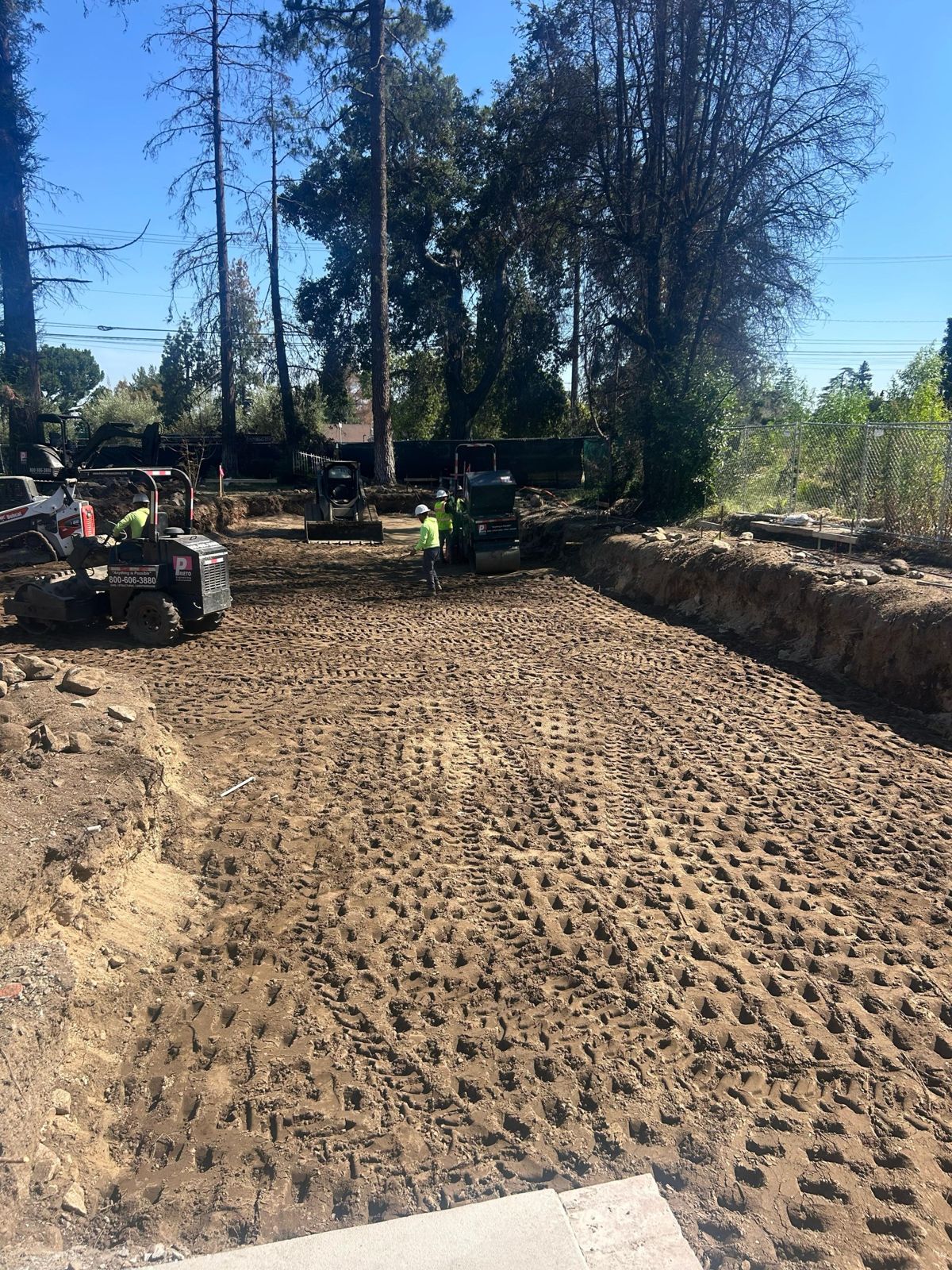
You found a lot you like, and the listing says "no sewer, septic required." On a vacant lot without a sewer, the septic system is not an afterthought. It decides how many bedrooms the lot can carry, where the house can sit, and sometimes whether the lot is buildable at all.
Before you buy
If you can, test the lot during escrow. Percolation and groundwater testing tell you whether a conventional system will work, whether you need an advanced treatment system, or whether the lot has a problem. Check how far the nearest public sewer is: within 200 feet, the County expects a connection instead of a septic system.
The steps
- Referral: Building and Safety or Regional Planning refers the project to Public Health.
- Feasibility report: a qualified professional tests groundwater and percolation and shows the system plus a 100 percent future expansion area fits.
- Public Health review of the application and plans.
- Plan approval, then the building permit.
- Installation by a licensed contractor, with County inspection. Advanced systems also get a leak test and a start-up inspection.
When an advanced system is required
- Soils percolate too fast or too slow for a conventional system.
- A new home with five or more bedrooms using seepage pits.
- Not enough land for the expansion area.
- Mound or drip systems.
- Lots near a water body the State lists as impaired for nitrogen or pathogens.
An advanced system costs more to build and needs ongoing maintenance, so it belongs in the budget from the start.
Lot size matters
The County sets a minimum lot size per home on septic based on rainfall. In the driest areas it can be 2.5 acres per unit. Confirm the density rule for your lot early.
Plan the site around the system
The tank, the dispersal field or pits and the expansion area need setbacks from the house, property lines and each other, and seepage pits need a drill rig to get in. Lay them out before the architect fixes the house footprint and the driveway.
Where we fit
We disclose and outline everything about your septic system, then get it certified and working. J.F. Prieto Engineering Construction holds a California Class A General Engineering license (CA Lic #525452). We run the site work that feasibility testing needs, coordinate the design and stamped reports with licensed engineers and geologists, and install the system with our own crew. Your expediter files the permits with Public Health, or we file them when needed. On a new home we can also do the grading, utilities, drainage and foundations, so the underground scope is one contract. Call (800) 606-3880 or request a site visit, and you get our findings in writing.
Check the current County guidance or call the Onsite Wastewater Treatment Program at (626) 430-5380.
Sources
- LA County Public Health, Requirements and Procedures for Conventional and Non-Conventional OWTS (updated 2025)
- LA County Local Agency Management Program (LAMP), May 2018
- LA County Code 11.38.730