A Failing Seepage Pit Doesn't Always Mean a New System: Rest, Recover and Treat
A failing seepage pit can often be saved. One option is to drill a new pit, switch the flow to it, and let the old pit rest and dry out so it recovers; the two then share the load. Another is to treat the system with ORCA bacteria generation and dosing units, which put oxygen and aerobic bacteria to work on the biological buildup (the biomat) that seals the soil. A full replacement is the last option, not the first.
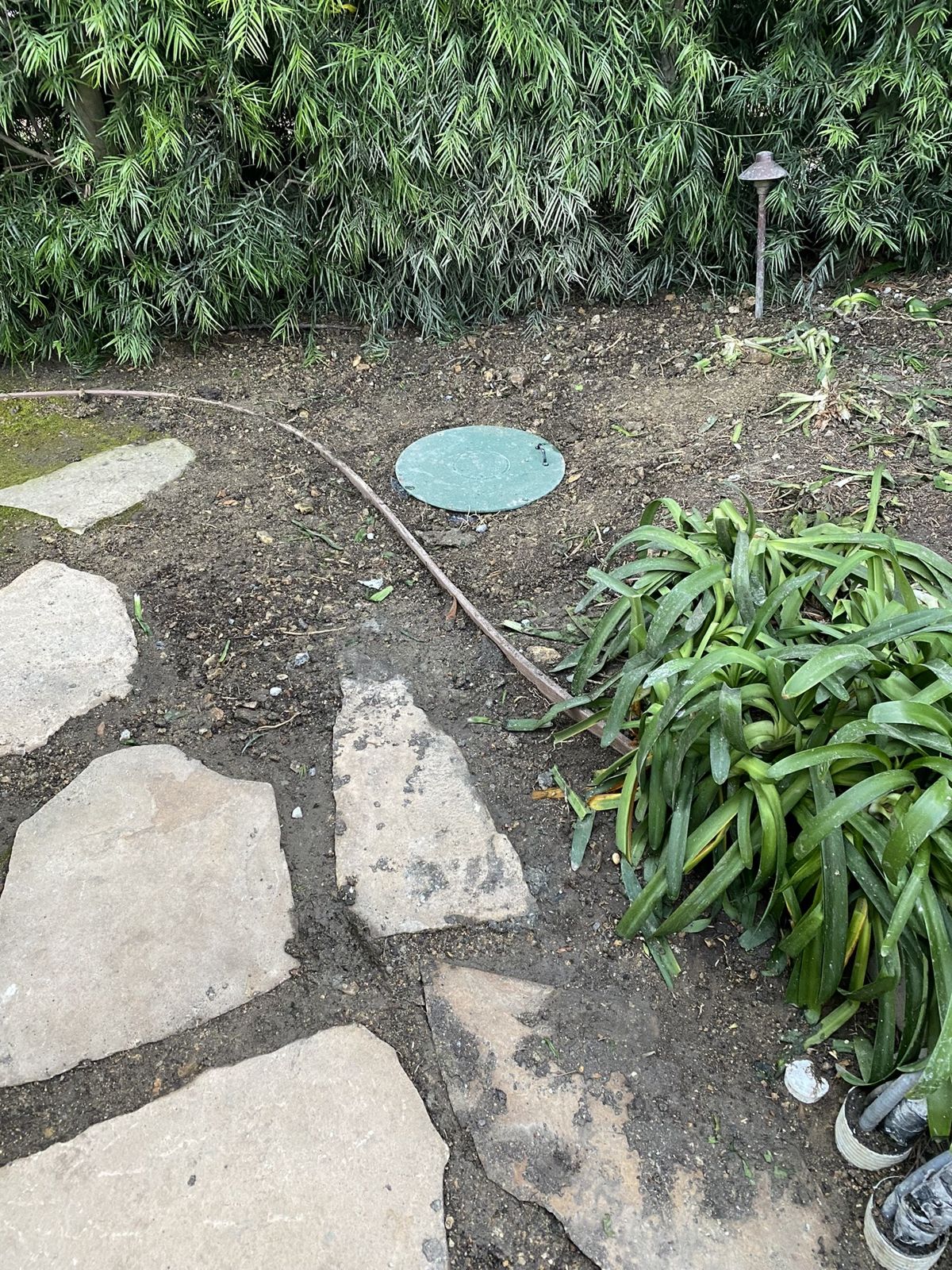
The toilets gurgle, the ground over the pit stays wet, and the pumper says the pit is full again a few weeks after the last pumping. When a seepage pit fills up and stays full, the soil around it has usually sealed with a layer of biological buildup. The pit is not necessarily broken. It has stopped breathing. That opens up repair options that cost far less than a new system.
Is the system failing?
LA County treats a system as failing when it can no longer safely treat or disperse wastewater: sewage backing up into the house, effluent surfacing in the yard, or a tank or pit that needs pumping more than twice in six months. If that is happening, the County expects it to be evaluated and repaired, and pumping for failure symptoms is reported.
Option 1: a new pit and a rest for the old one
A new seepage pit is drilled, and a diversion valve sends the flow to it. The old pit is pumped and left to rest. The County guide recommends a diversion valve on repairs and gives the failed area about a year of rest. With air and time, the buildup breaks down and the old pit recovers. After that the valve lets the two pits share the load, which keeps either one from being overworked.
The County allows a new seepage pit to replace a failed dispersal system. A qualified professional sizes it and the County reviews it.
Option 2: dry out and recover the existing pit
Where a second pit is not possible, the existing pit can be pumped down and kept low while it dries, with the house flow managed in the meantime. It works best when the cause, such as too much water from a leak or a water softener, is fixed at the same time.
Option 3: treat it with ORCA
ORCA is our in-house brand. The ORCA Pod is a bacteria generation unit that oxygenates the system and keeps producing aerobic bacteria, and ORCA also provides dosing units. Most failing pits are not a structural failure but a biological one: the biomat that seals the soil grows where there is no oxygen, and the way to fight it is oxygen and aerobic bacteria. The bacteria digest the organic waste in the tank and keep working on the biomat lining the pit. ORCA is designed to reduce, and in many cases eliminate, the need for pumping. Results depend on the system: a pit or leach field that has already failed, an air pump that is off, unplugged or burned out, or materials that are not digestible or not safe for septic systems can all mean pumping is still needed. It is a good fit for a pit that is slowing down, after a recovery, or where space for a new pit is tight.
When replacement is the right call
If the tank is failing structurally, the dispersal cannot be restored, groundwater has risen, or the system is too small for the house, a replacement or upgrade is the right answer. An inspection tells you which case you are in.
Where we fit
We disclose and outline everything about your septic system, then get it certified and working. J.F. Prieto Engineering Construction holds a California Class A General Engineering license (CA Lic #525452). We pump, open and inspect the system, find the cause, and give you the options in writing. We drill new pits and install diversion valves with our own crew, coordinate the sizing and County review with licensed professionals, and install and service ORCA treatment. Call (800) 606-3880 or request a site visit, and you get our findings in writing.
Check the current County guidance or call the Onsite Wastewater Treatment Program at (626) 430-5380.
Sources
- LA County Code 11.38.042 (failing OWTS), 11.38.820 and 11.38.980
- LA County Public Health, Requirements and Procedures for Conventional and Non-Conventional OWTS (updated 2025)