
Septic or Sewer Inside the City of Los Angeles: Additions, ADUs and New Homes
Inside the City of Los Angeles, a new or replacement septic system is allowed only when the Bureau of Engineering finds no public sewer available, usually meaning none within 200 feet. Where a sewer is available, you connect with an S Permit and pay the sewer permit fee and Sewerage Facilities Charge. Septic designs need a qualified professional's report reviewed by LADBS Grading.
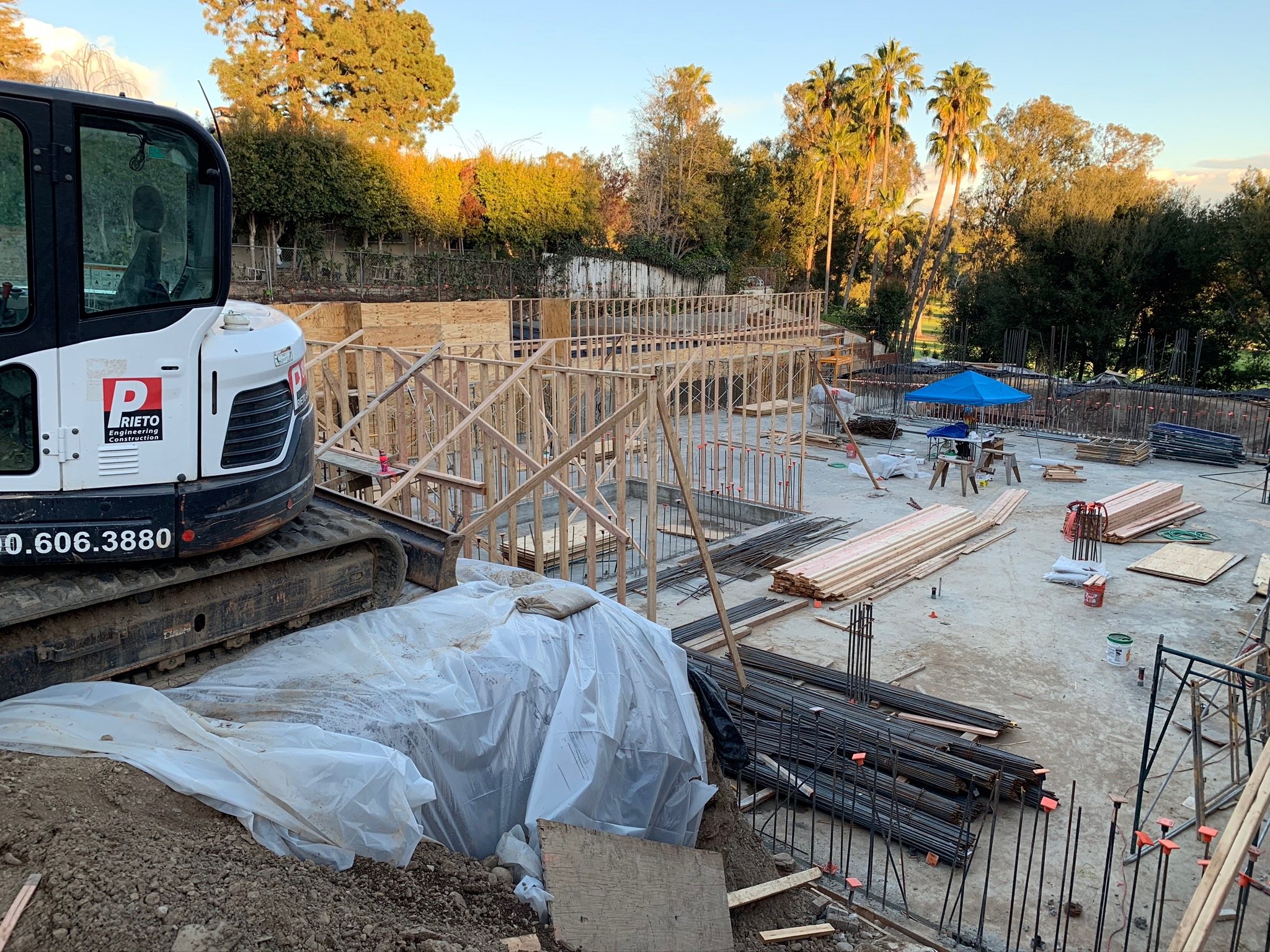
Your plans are at the City, and someone has asked whether the house is on sewer or septic. The City of Los Angeles handles septic and sewer differently from unincorporated LA County. Two departments matter: the Bureau of Engineering (BOE) decides whether a sewer is available, and the Department of Building and Safety (LADBS) approves private septic systems.
Step one: is a sewer available?
BOE checks the City's sewer maps for a City-owned public sewer near your lot. If the property is more than 200 feet from a mainline, a septic system may be approved by LADBS. If a sewer is available, plan on connecting. In the City's San Fernando Valley mandatory-connection area, the code requires connecting and abandoning the private system once a sewer is available in an abutting street or easement, with exemptions for small residential lots that comply with all laws.
If you connect: the S Permit
- An S Permit (sewer connection) from BOE. Only a City-owned public sewer can be connected this way, not a private line.
- A Sewerage Facilities Charge for new connections, which varies with the treatment agency, plus the sewer permit fee. Bonded sewer and lateral fees and street restoration fees can apply.
- Large flows need a sewer capacity review. A typical home or ADU is well under the 3,000 gallons per day threshold.
- Work in the street is done under a permit issued to a bonded sewer contractor, and an existing lateral is often videoed (CCTV) with a City inspector watching.
- Laterals deeper than 5 feet need a shoring review, and 10 feet or deeper need a civil engineer's stamp.
If there is no main nearby
Extending a sewer main is a much bigger job than a connection: a B-Permit, plans by a civil engineer, bonds, manholes and street restoration. It can cost far more than the connection itself, which is why a septic system, or an upgrade to the existing one, is often the better answer on lots far from the main. See our guide to septic-to-sewer conversion for how to compare the two.
If you stay on septic: LADBS review
- A qualified professional prepares and stamps a site evaluation report and plot plan, which LADBS Grading reviews.
- The percolation rates, groundwater and bedrock depth decide the system type. Seepage pits on slopes keep a 25-foot horizontal setback from the slope.
- Larger or non-standard systems may also need a permit from the Regional Water Quality Control Board.
- A qualified contractor installs the system.
Where we fit
For septic: we disclose and outline everything about your septic system, then get it certified and working. For sewer and underground: underground work done safely and signed off, by a bonded and licensed Cal/OSHA T-1 excavation contractor. J.F. Prieto Engineering Construction holds a California Class A General Engineering license (CA Lic #525452) and is on the City of Los Angeles approved list of Bonded Sewer Contractors, so we can pull the S Permit for a new lateral and do the work in the street ourselves. We check sewer availability and lateral depth, video existing laterals, and give you a written comparison of connecting versus staying on septic. We build the connection or the septic system with our own crew and coordinate the stamped design and shoring with licensed engineers. Your expediter files the permits with BOE and LADBS, or we file them when needed. Call (800) 606-3880 or request a site visit, and you get our findings in writing.
City fees and rules change, including a BOE fee update in July 2026. Confirm current requirements with BOE and LADBS before you commit.
Sources
- City of LA Bureau of Engineering, Sewer (S) Permit processing procedures: engpermitmanual.lacity.org
- LADBS Information Bulletin on Onsite Wastewater Treatment Systems (P/BC 027): dbs.lacity.gov
- Los Angeles Municipal Code 64.26 (San Fernando Valley sewer connection)