Buying a House With a Cesspool in Los Angeles: What Agents Should Know
A cesspool doesn't automatically kill a deal. New cesspools aren't permitted, but an existing one that isn't failing doesn't have to be replaced just because the house sells. The usual path to certify or expand is adding a septic tank ahead of it so it works as a seepage pit, with an evaluation, under the rules of the agency that covers the property.
When a buyer hears "cesspool," they often assume the house needs a whole new system. That isn't how it works in Los Angeles. What matters is whether the cesspool is working, which agency covers the property, and what the buyer plans to do with the house.
What a cesspool is
A cesspool is a pit that receives sewage directly from the house and lets the liquid seep into the soil. There is no septic tank in front of it to settle out the solids, so the soil around it tends to clog faster.
City of Los Angeles
LADBS says the City doesn't allow cesspools and hasn't permitted them since the 1950s. That means no new cesspools. The same bulletin says existing cesspools may be converted to a seepage pit if a septic tank is installed, and that a Qualified Professional's report is needed to assess site conditions, percolation and whether the upgraded system can handle any planned additions.
LA County
LA County doesn't require a septic evaluation when a home is sold. Lenders sometimes do, and buyers can make one a condition of the offer. Existing systems need no action as long as they are not failing.
Things change when the buyer plans to add on. Under County rules, adding an ADU, a bedroom or a room that could be used as one triggers the requirement to modify the system. Converting a cesspool to a seepage pit without other changes needs a floor plan and an evaluation of the cesspool.
Fire rebuilds
For homes being rebuilt after the fires, LA County allows an existing cesspool to be reused if it passes a percolation test by a Qualified Professional, with no added flow, bedrooms or ADUs. Adding capacity means upgrading to a septic system, or connecting to the sewer when one is close enough.
Our recommendation
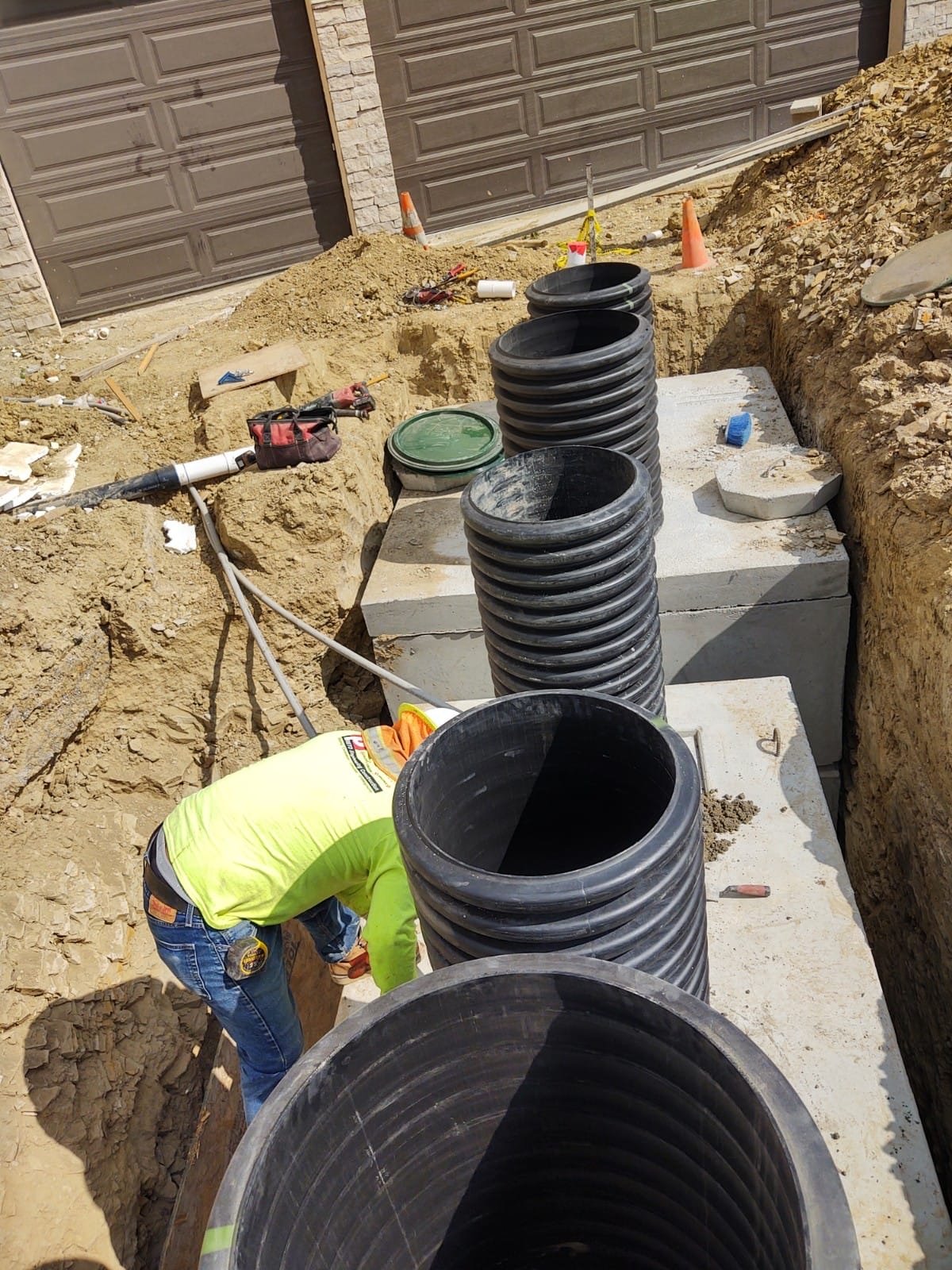
Almost always, put a septic tank ahead of the cesspool. The tank settles out the solids before they reach the pit, which protects the soil and lets the cesspool work as a seepage pit. Depending on what the investigation finds, the property may also need an added pit, or in some cases an advanced treatment system. That's why we don't call it before the ground is checked.
What agents should ask
- Is there a septic tank, or does the house drain straight into the pit?
- Is the cesspool working today? Ask for a certification, not just a pump ticket.
- Which agency covers the property: the City of LA, LA County or another city such as Malibu?
- Does the buyer plan to add bedrooms or an ADU? That changes the answer.
- Is there a public sewer nearby?
Frequently asked questions
Can a house with a cesspool pass a certification?
It can, if the cesspool is working. We look at the levels and, when needed, run a hydraulic test. A failing cesspool needs repair, treatment or an upgrade before it will pass.
Is a cesspool the same as a seepage pit?
Close, but not the same. A seepage pit receives liquid from a septic tank. A cesspool receives raw sewage. Adding a tank in front is what turns one into the other.
Where we fit
JFPEC inspects and certifies cesspool and septic systems, installs tanks ahead of existing pits, and works with licensed designers and geologists who prepare and sign the reports. Call (800) 606-3880 with the address.
Sources
- LADBS Information Bulletin P/BC 2023-027, Onsite Wastewater Treatment Systems: dbs.lacity.gov
- LA County Public Health, OWTS Requirements and Procedures: admin.publichealth.lacounty.gov
- LA County Public Health, Local Agency Management Program FAQ: admin.publichealth.lacounty.gov
- LA County Recovers, septic systems for rebuilding: recovery.lacounty.gov