Why GCs Are Turning to “Super Subs” for Specialized Civil Construction
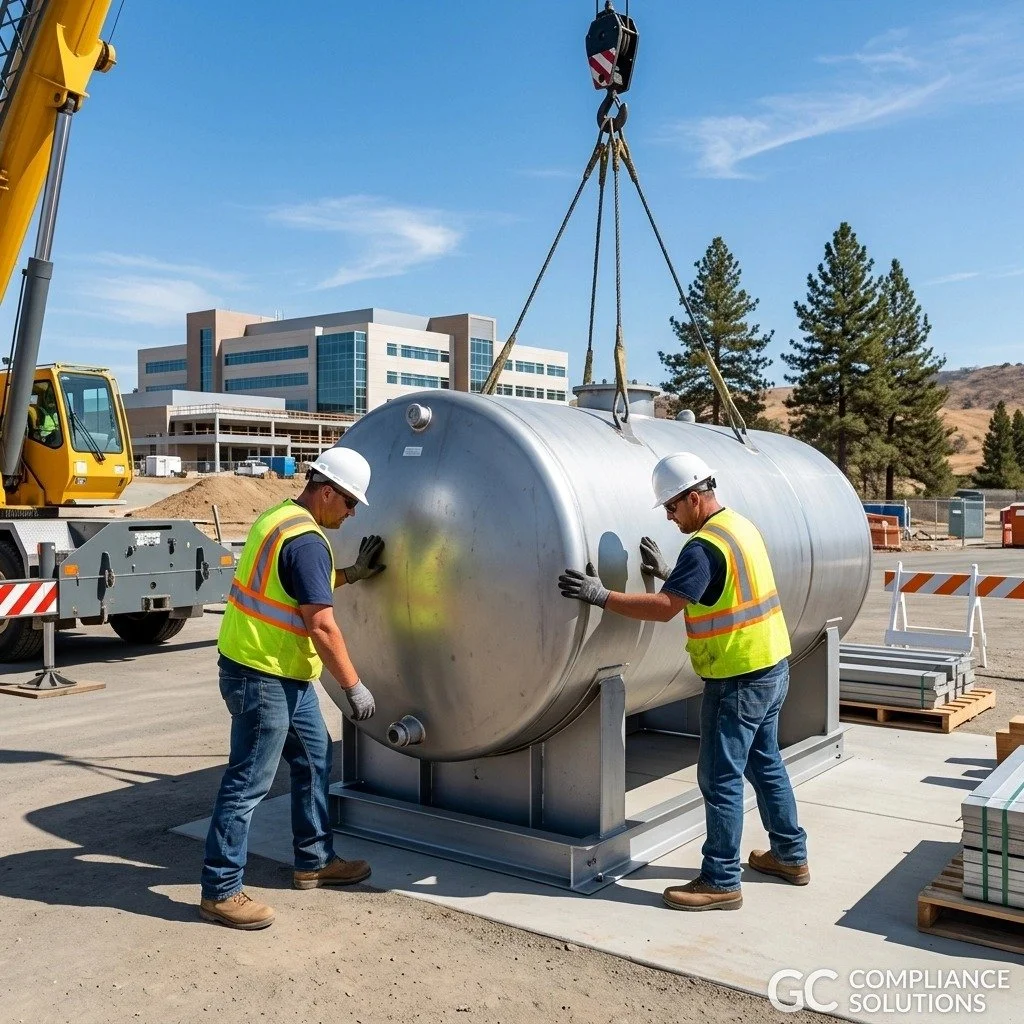
General Contractors are under pressure from every direction: tighter schedules, thinner margins, more utility conflicts, and less tolerance for coordination failure. On specialized civil work, the old model of stacking multiple subs across excavation, shoring, underground utilities, and structural concrete creates drag where the project can least afford it.
That is why more GCs are turning to Super Subs for specialized civil construction. When one qualified contractor can self-perform multiple interdependent scopes, the job moves faster, decisions get made earlier, and risk stays contained. For site packages with underground complexity, the value is not theoretical. It shows up in schedule protection, cleaner handoffs, and fewer surprises in the field.
Why the Traditional Sub Stack Breaks Down
Specialized civil construction is not one trade. It is a chain of tightly connected operations: utility locating, potholing, excavation, shoring, wet utility installation, dry utility routing, structural concrete, backfill, and surface restoration. On paper, a GC can split those scopes across several subcontractors. In practice, that model creates delay points at every handoff.
One sub waits on another. Utility conflicts surface after excavation starts. Concrete crews inherit dimensions that changed in the trench. Responsibility gets blurred the moment field conditions shift.
For GCs, that is the real cost of fragmented civil delivery:
More coordination load on the project team.
More schedule exposure between scopes.
More RFIs and change order friction.
More risk when active utilities or public interfaces are involved.
When the civil package carries technical depth, multiple subs often mean multiple failure points.
The Super Sub Model
A Super Sub reduces that fragmentation by taking control of the linked scopes under one operator. Instead of coordinating separate excavation, shoring, underground, and concrete trades, the GC works with one civil partner that can execute the package from first exposure to final restoration.
That model matters most when the work is specialized:
Deep utility failures.
Street and public right-of-way repairs.
Sewer, storm drain, and water infrastructure.
Structural concrete tied to underground systems.
Emergency excavation where speed and legality both matter.
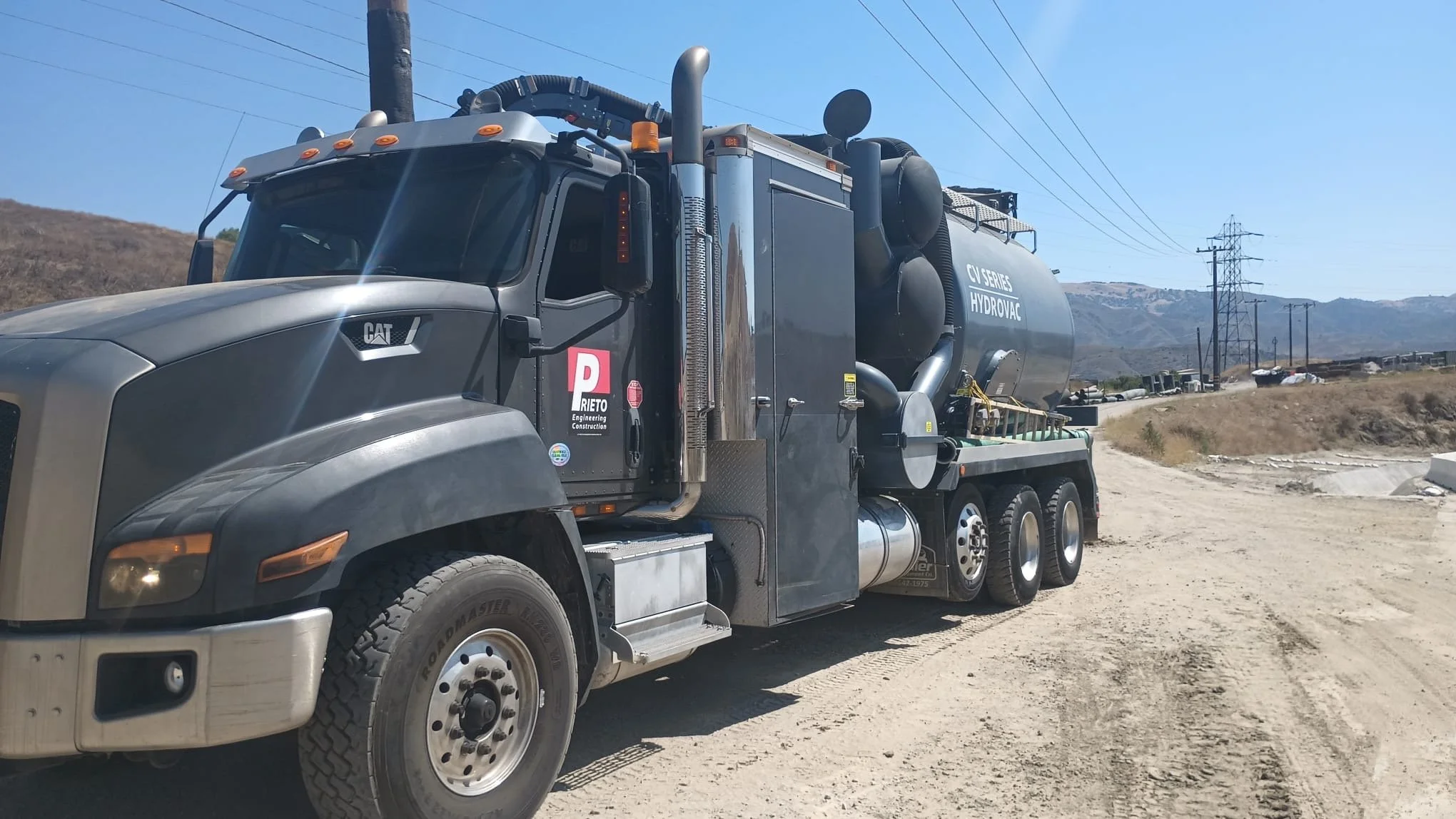
This is where Prieto Engineering is built to operate. We are a Class A General Engineering Contractor, CA License #525452, with in-house crews, trucking, hydrovac capability, underground utility execution, and structural concrete capacity. We do not broker the difficult parts. We self-perform them.
What GCs Gain When One Civil Contractor Owns the Scope
The appeal is simple: less drag, more control.
When Prieto Engineering is brought in as the Super Sub, GCs gain:
One point of accountability across civil, structural, and underground scopes.
Faster field decisions because the crews are under one roof.
Better schedule control when excavation, utility work, and concrete have to move in sequence.
Fewer coordination gaps between estimating, operations, and field execution.
More confidence in high-risk conditions, including unknown utilities, emergency failures, and constrained sites.
This is not a branding phrase. It is an operating model. The package stays tighter because the work stays integrated.
Where This Matters Most
GCs do not need a Super Sub on every project. They need one when the civil scope is too technical, too schedule-sensitive, or too exposed to be managed through disconnected trades.
That usually means:
Public right-of-way work: Street openings, utility tie-ins, and repairs that require Class A execution and agency compliance.
Emergency underground failures: Sewer collapses, storm failures, sinkholes, and urgent access excavation.
Constrained commercial sites: Tight logistics, active operations, and no margin for stockpiling or coordination mistakes.
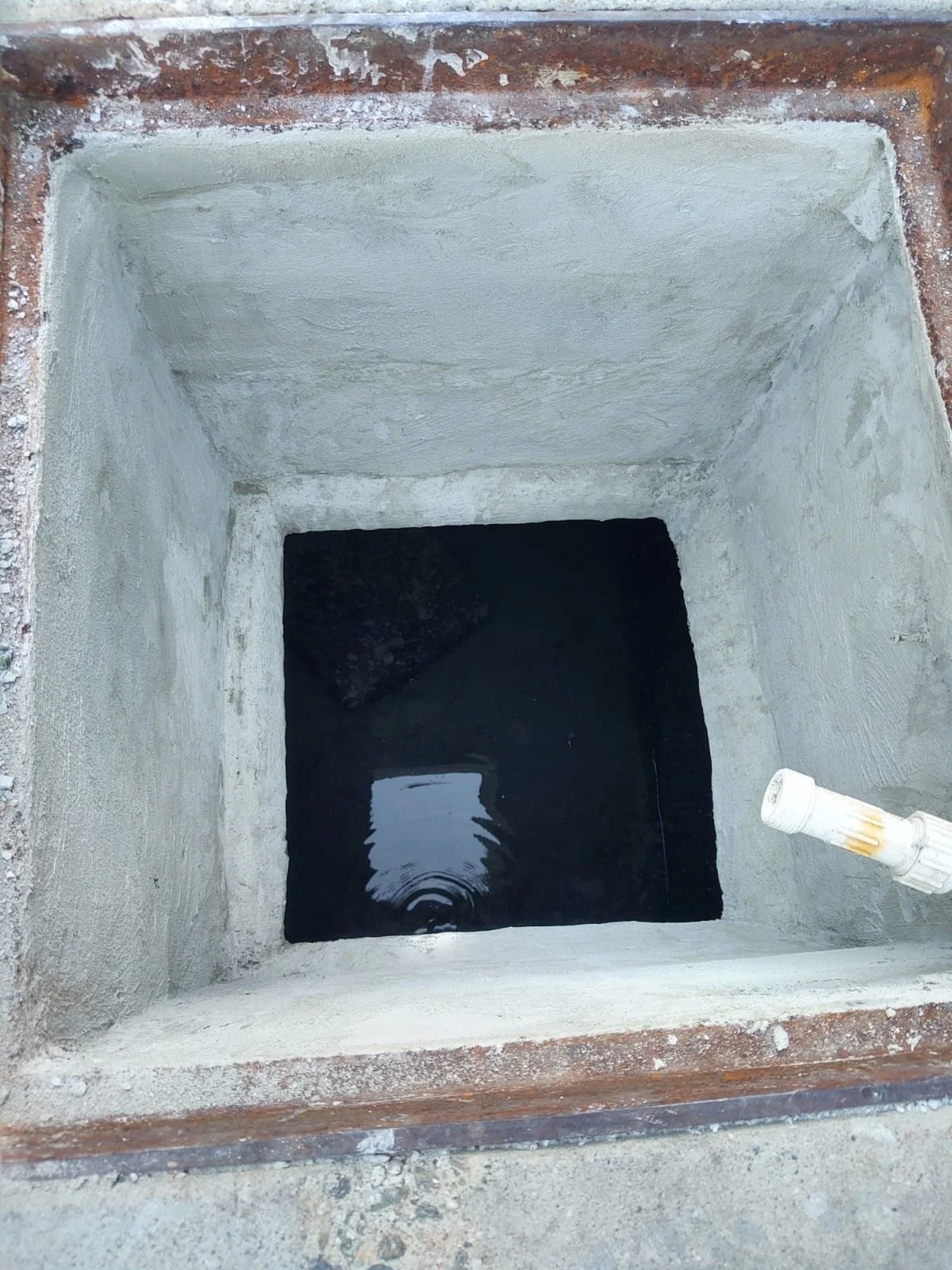
Civil packages tied to structural concrete: Vaults, foundations, grade beams, and restorations that must align exactly with underground work.
In these conditions, the GC is not just buying production. The GC is buying reduced friction.
Why Prieto Engineering Holds Attention
GCs are not looking for another sub to manage. They are looking for a specialist that removes management burden.
Prieto Engineering gets attention because we sit in the gap between standard subcontracting and full-package civil execution. We are the crew called when the work gets deeper, more technical, and harder to coordinate:
Underground wet and dry utilities.
Deep excavation and precision hydrovac exposure.
Shoring support and site readiness.
Structural concrete tied directly to civil scope.
Emergency response capacity backed by in-house equipment.
That combination matters to preconstruction teams, project executives, and superintendents because it simplifies the plan before the job starts and stabilizes the work once the ground is open.
The Decision
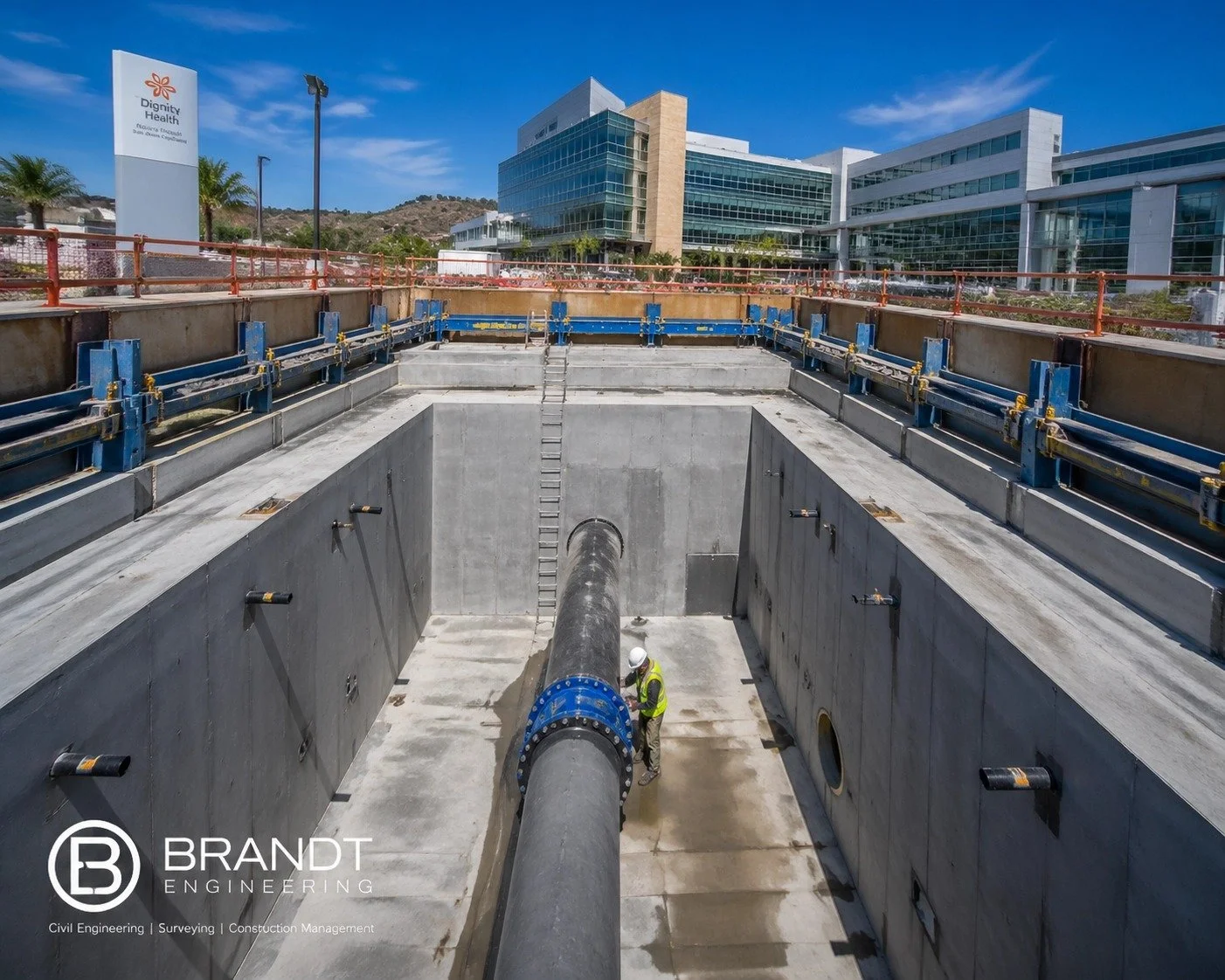
When specialized civil construction can affect schedule, safety, access, or utility continuity, the wrong subcontracting structure creates unnecessary risk. More GCs are shifting toward Super Subs because the work demands fewer handoffs and stronger field control.
That is the lane Prieto Engineering owns. We step in where excavation, underground utilities, and structural concrete need to operate as one coordinated package.
If your project has specialized civil scope, bring in the Super Sub early.
800-606-3880 or gprieto@PrietoEngineering.com